Fallow Bridge:
Palace East Railway Station
Photo Credit: John Busher
Kindly Supported by Wexford County Council
28th March - 11th April 2026
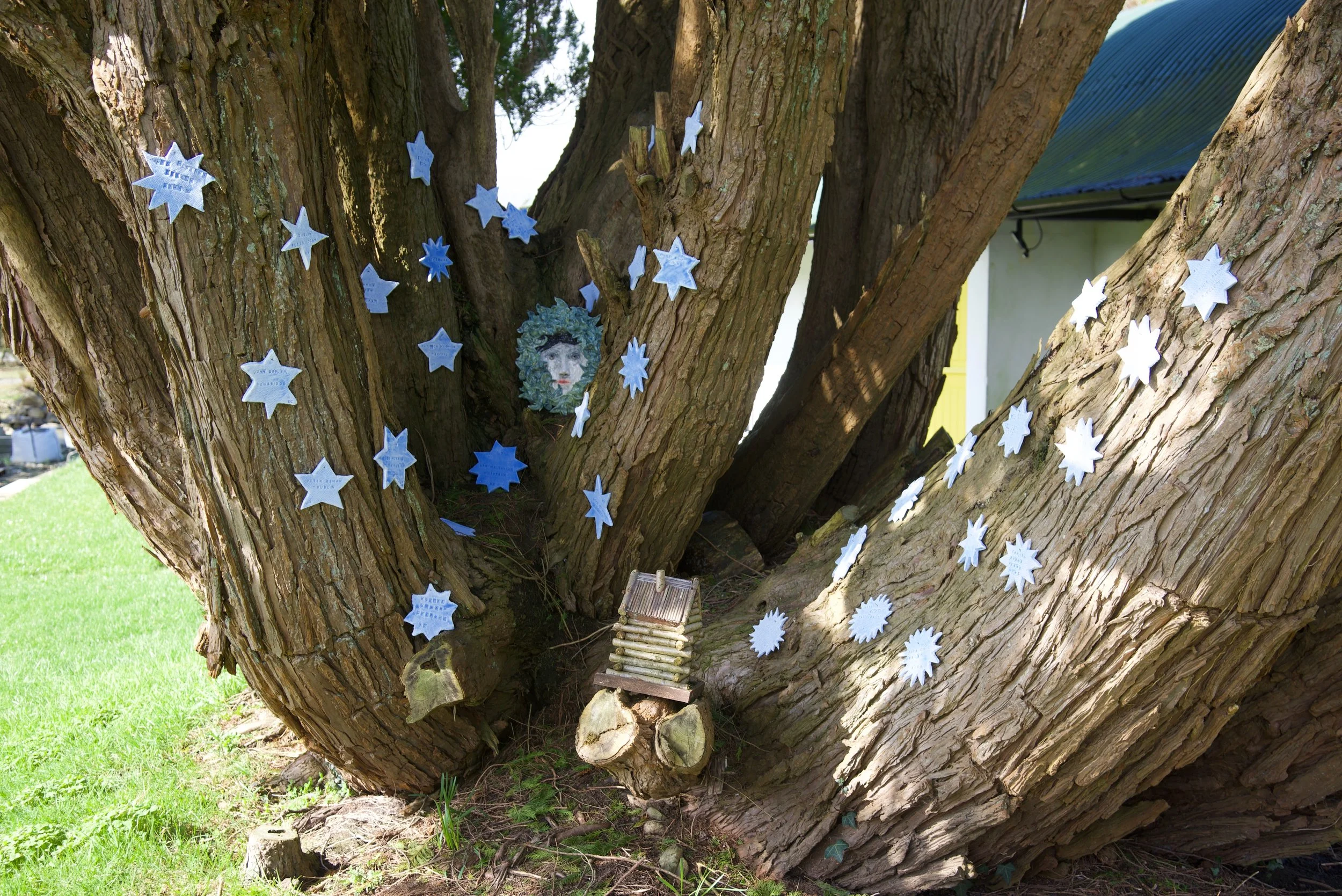
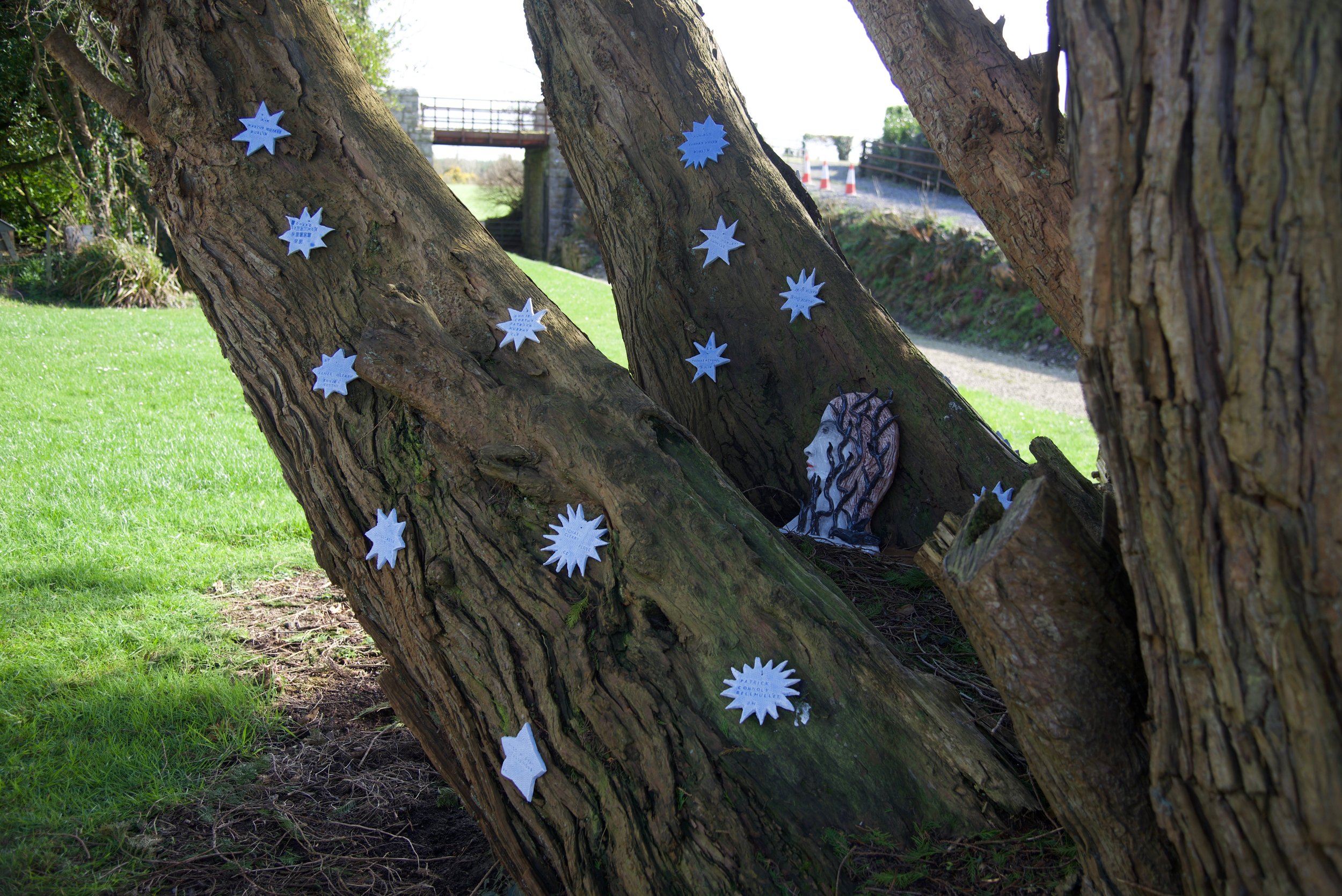
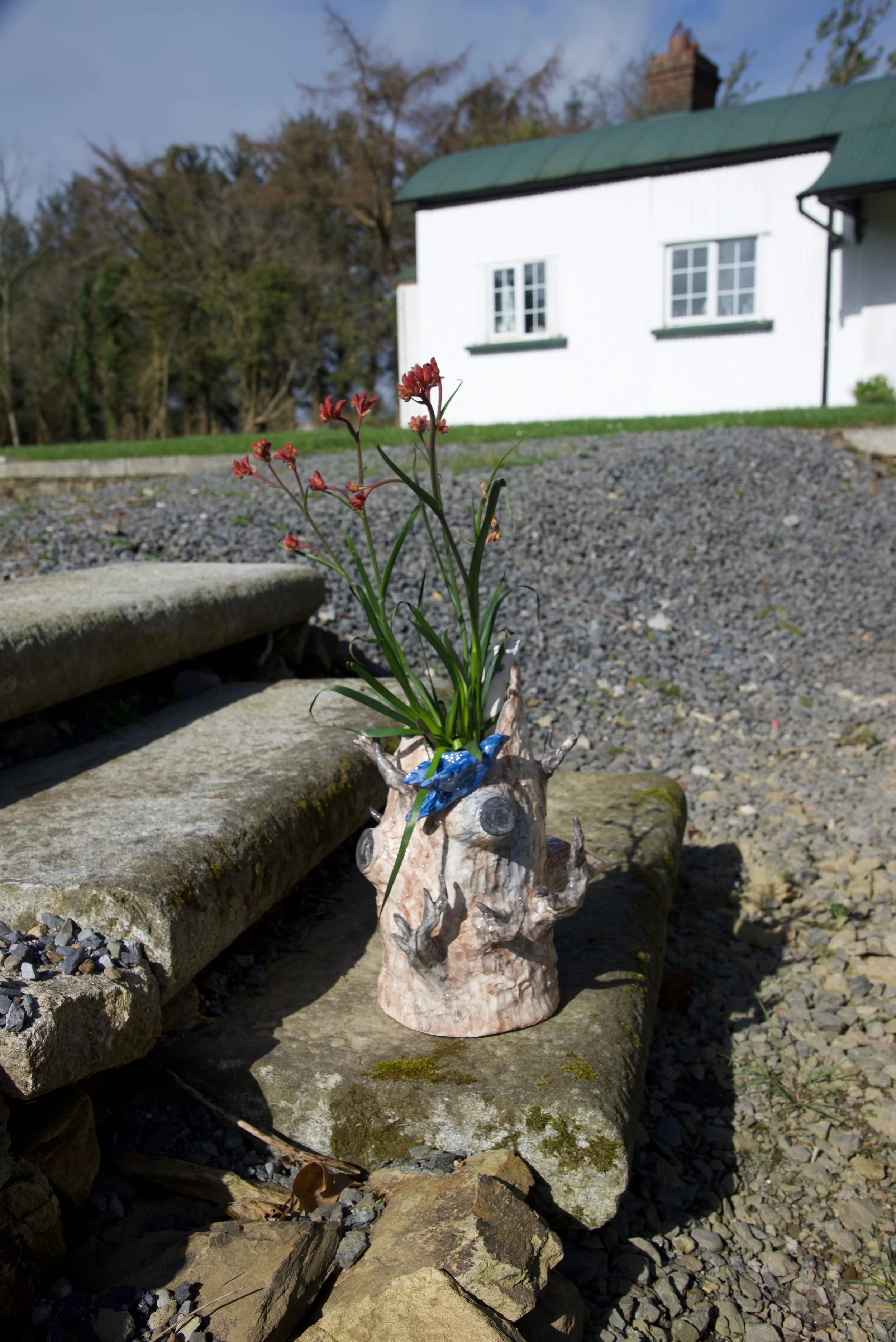
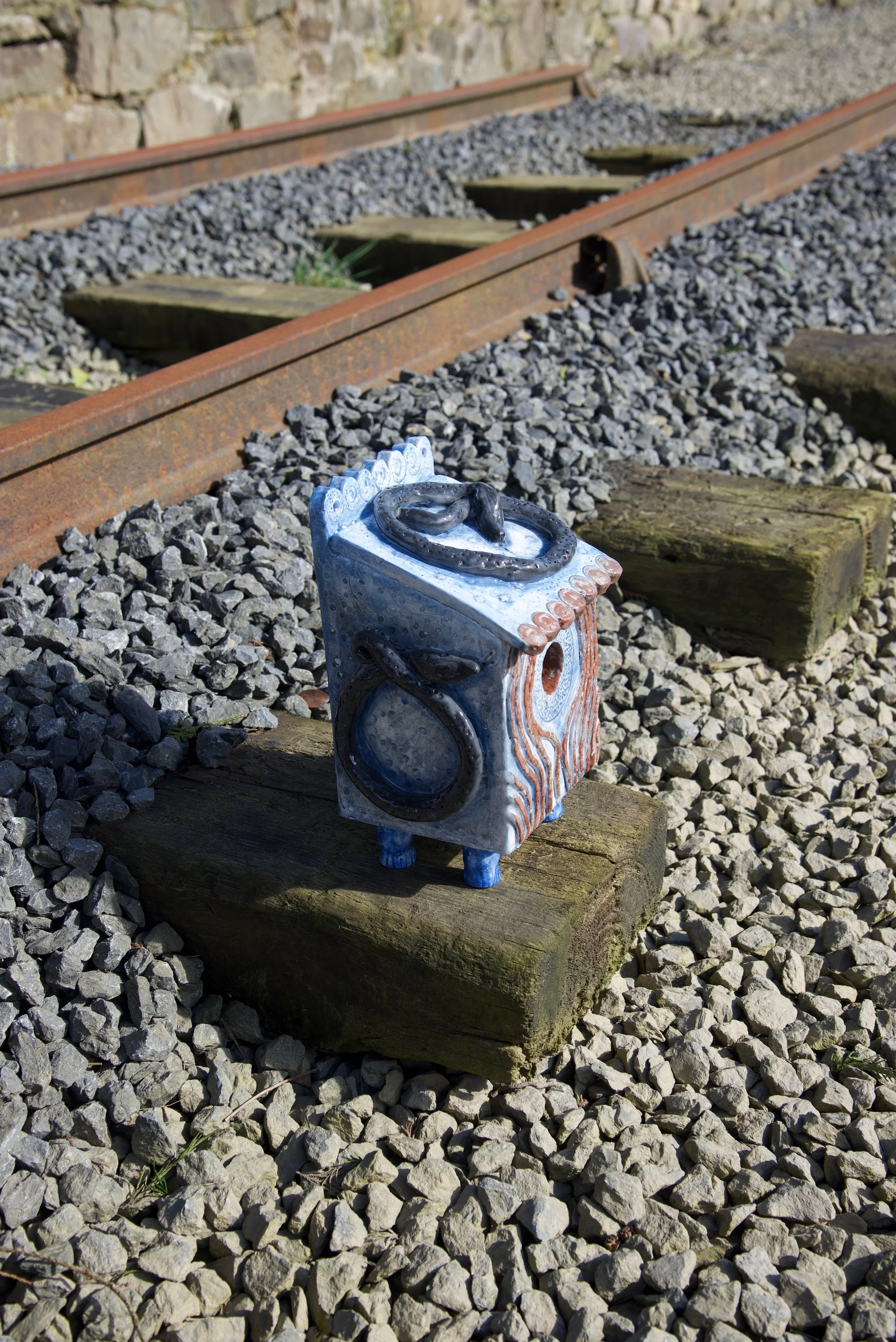
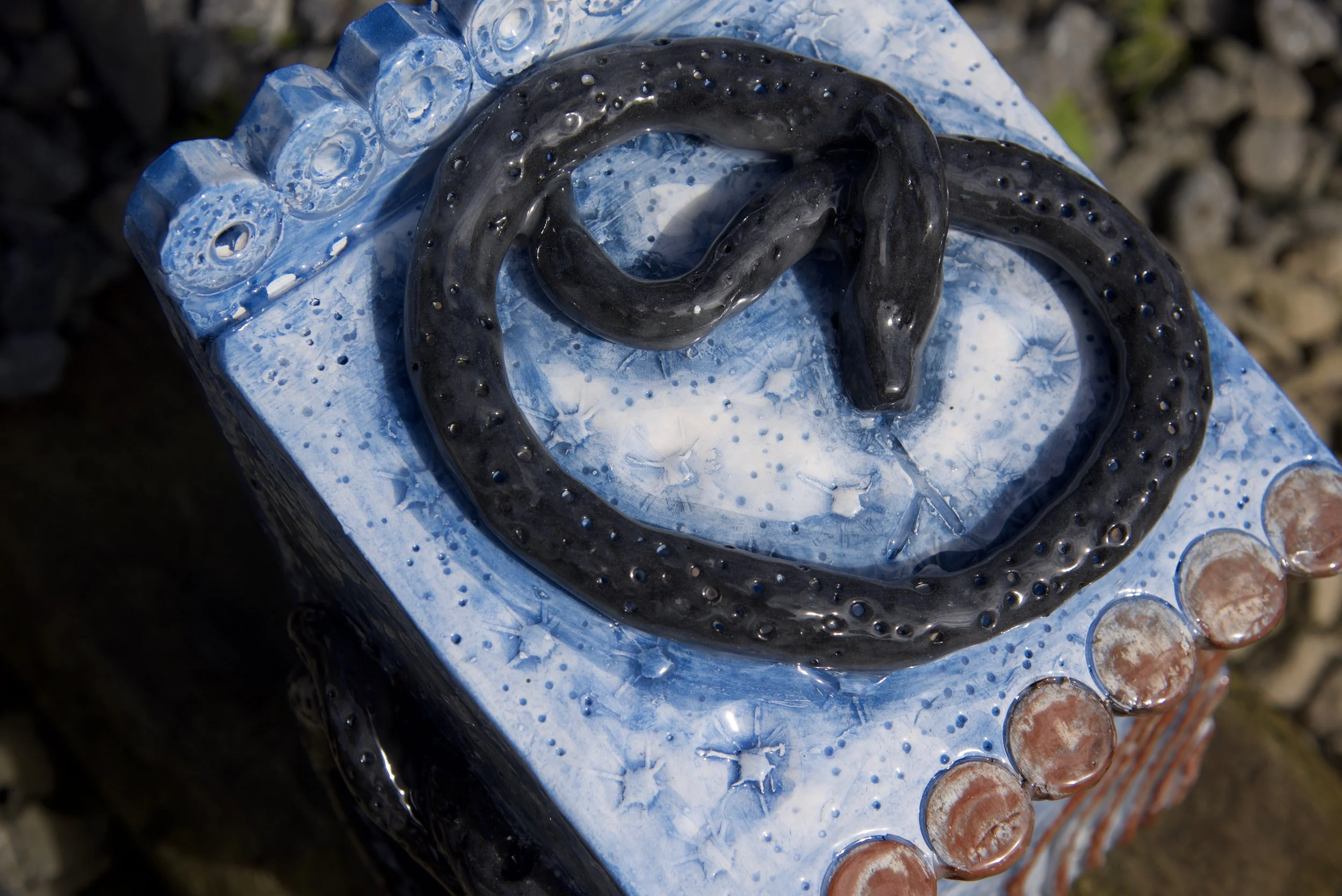
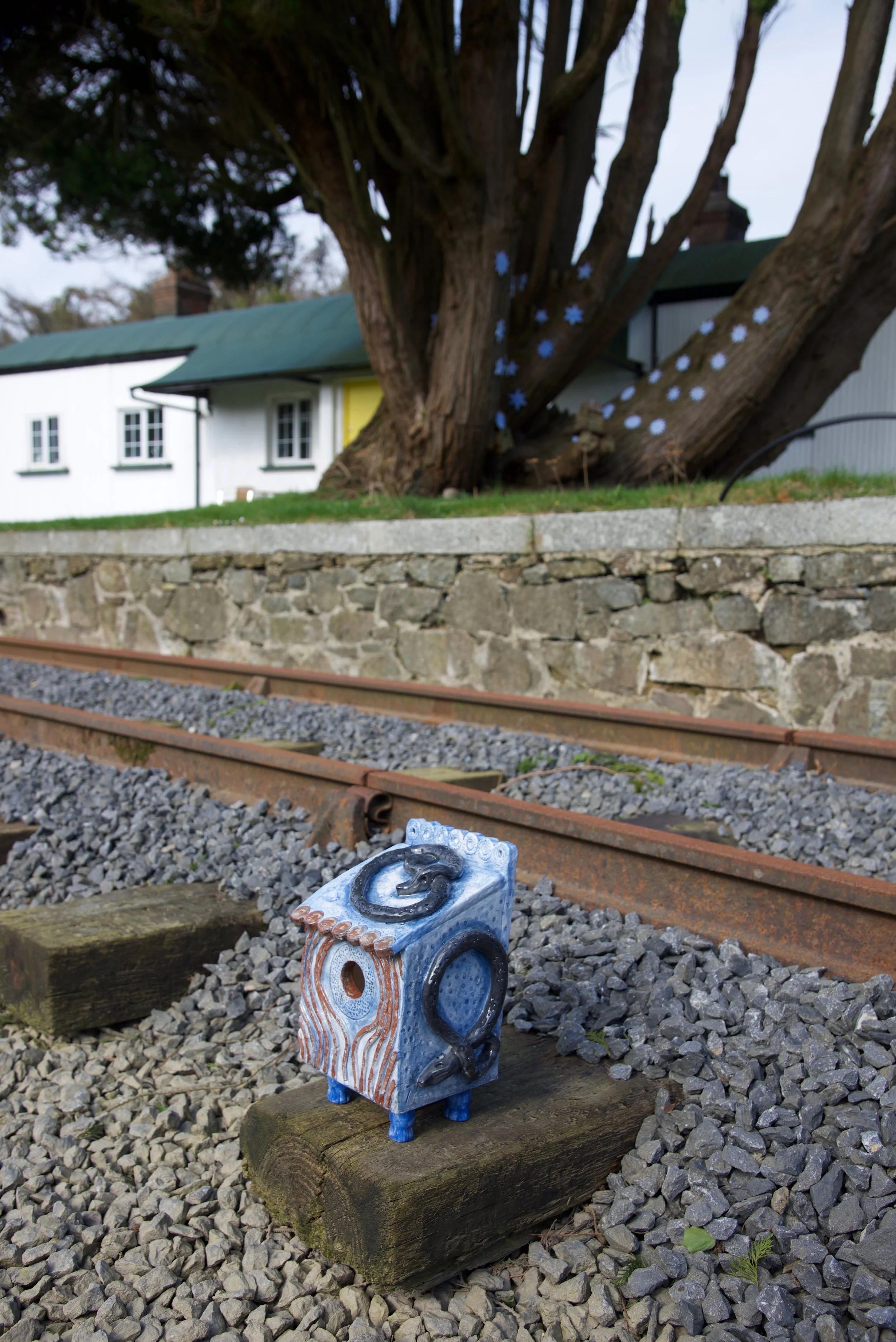
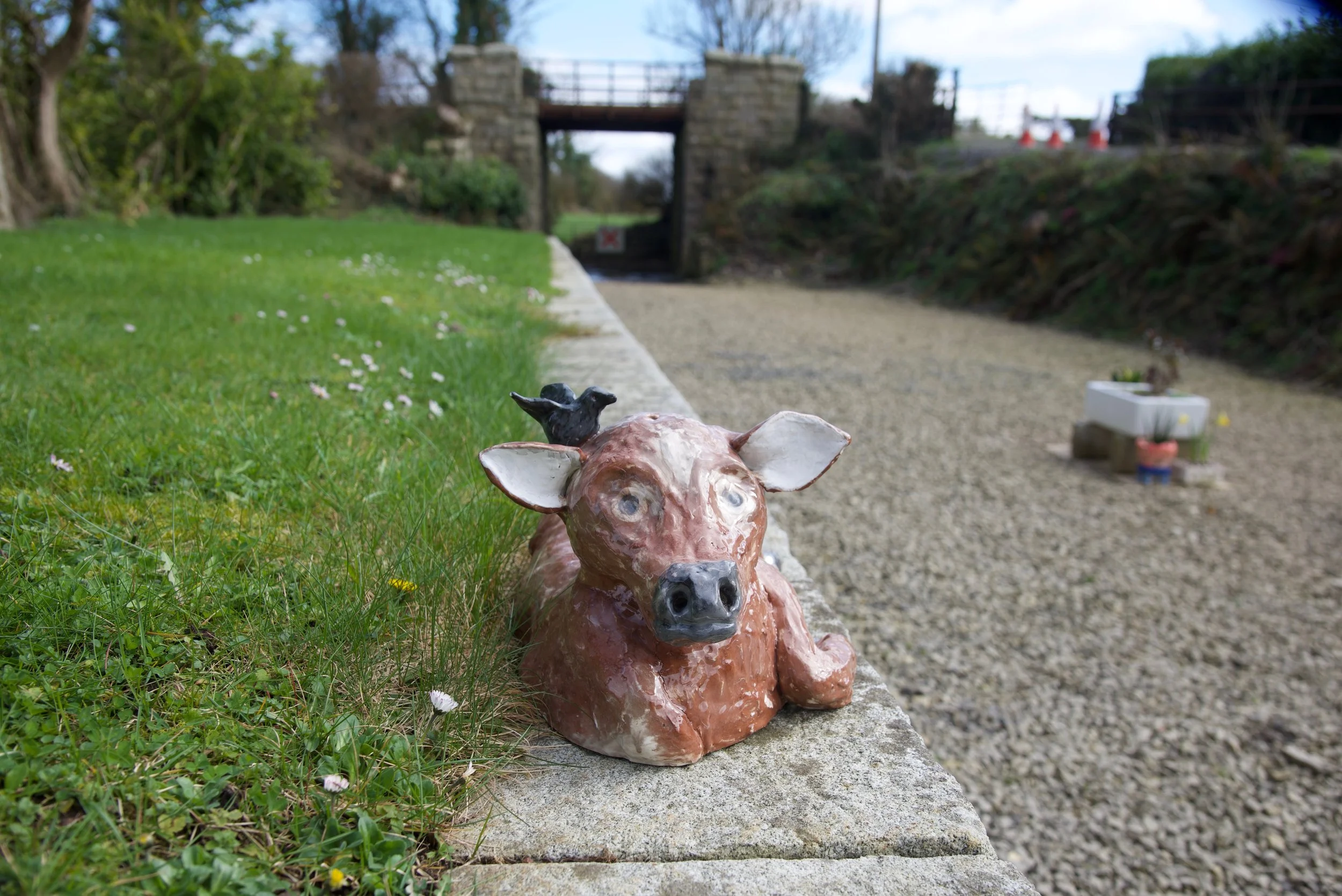
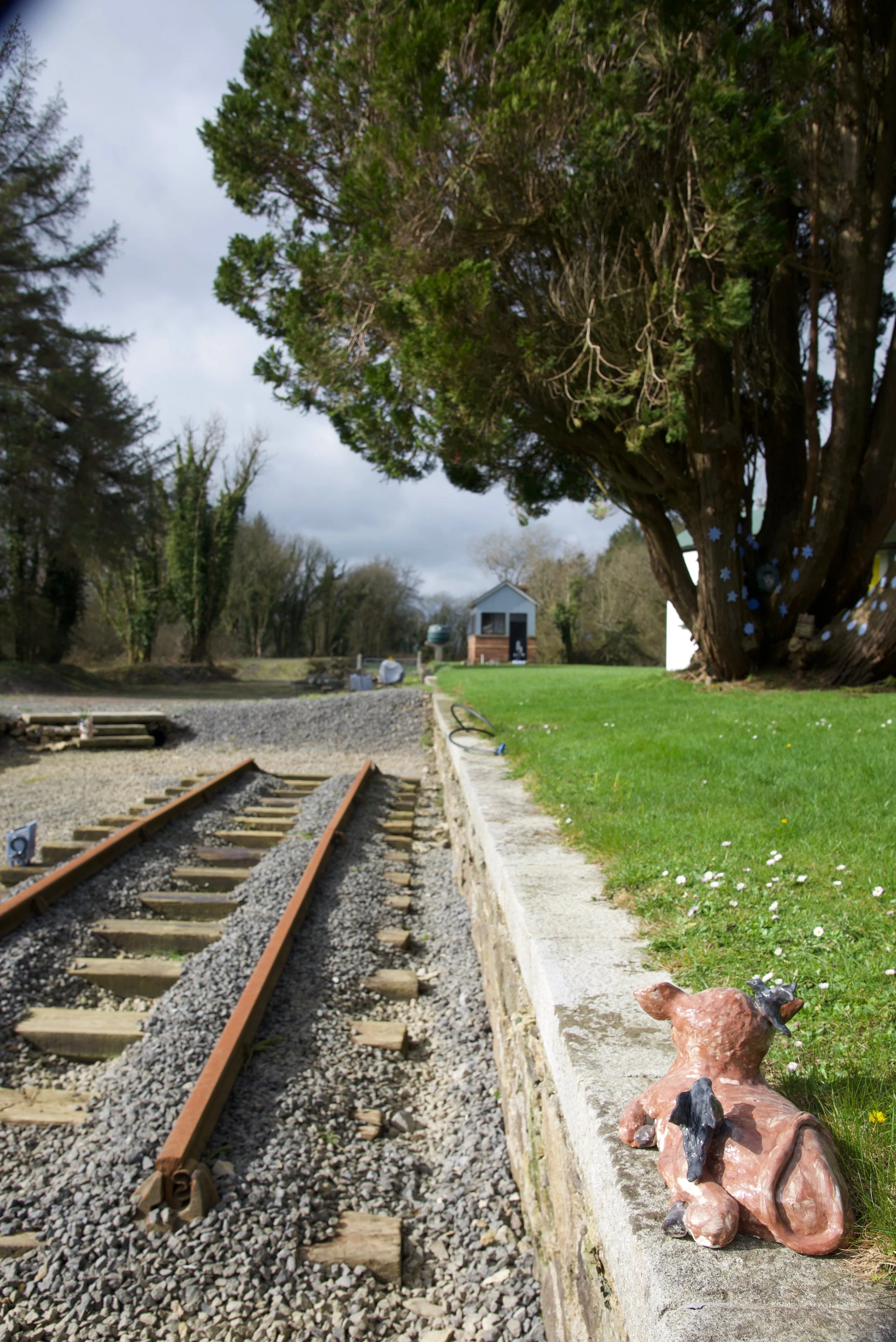
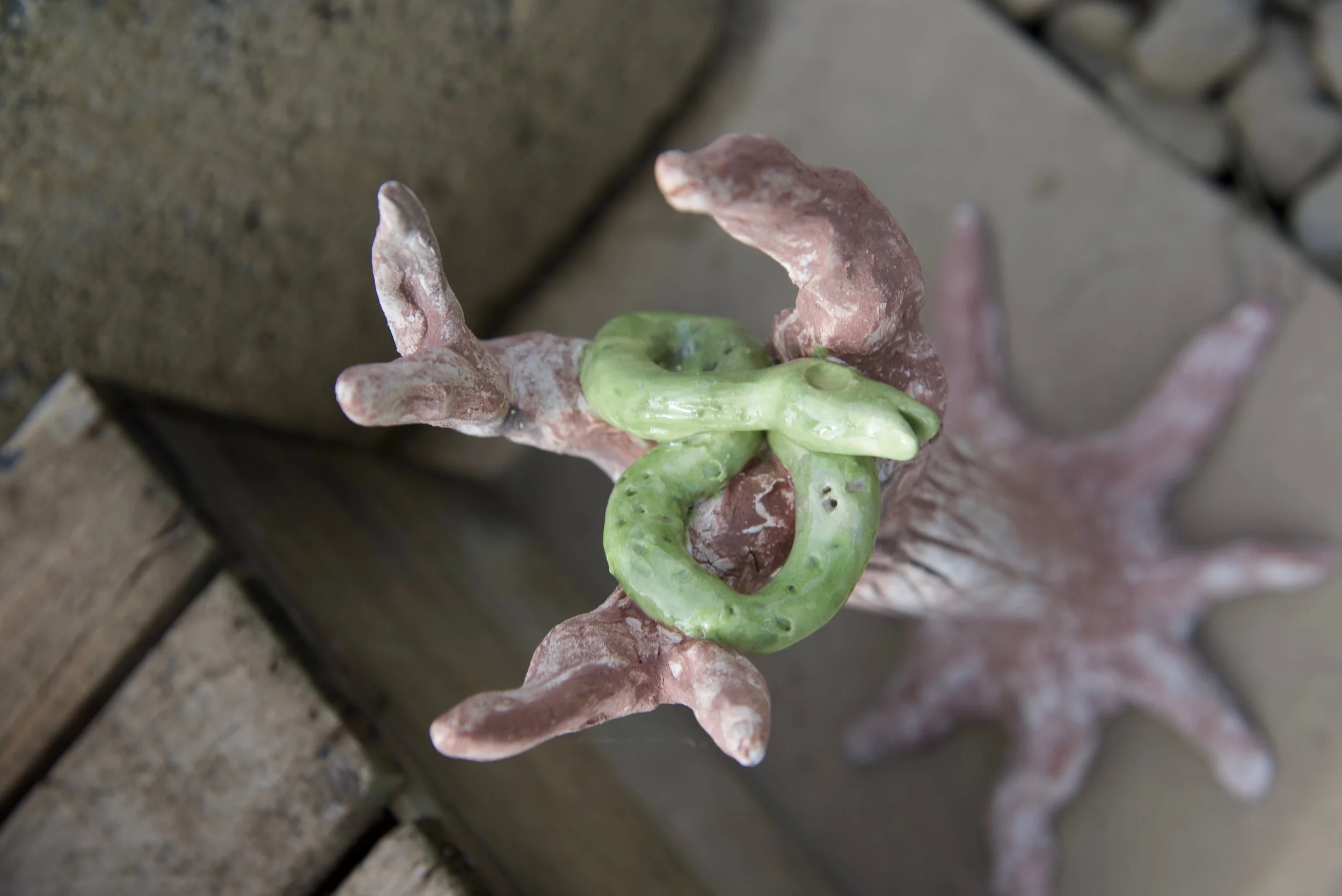
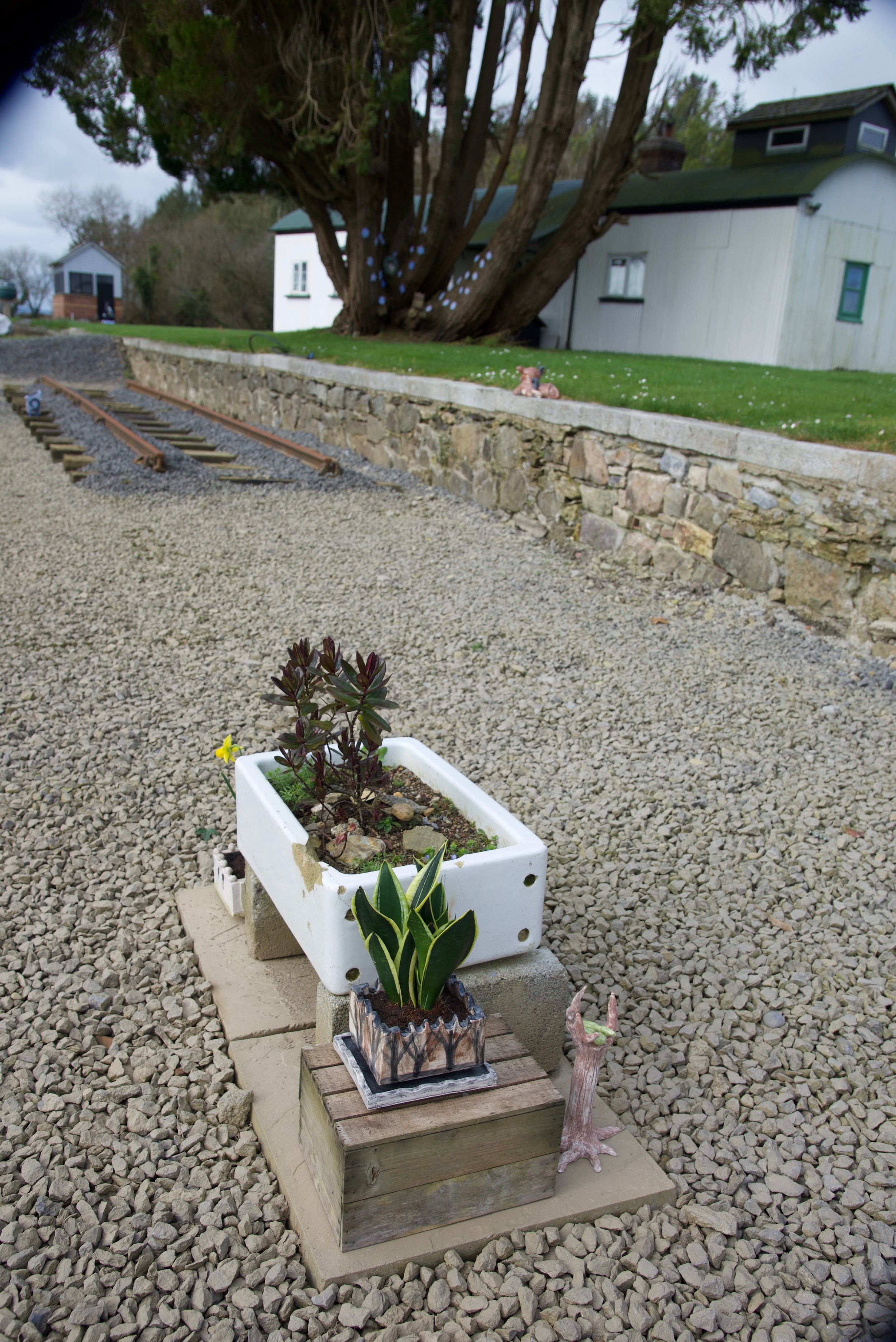
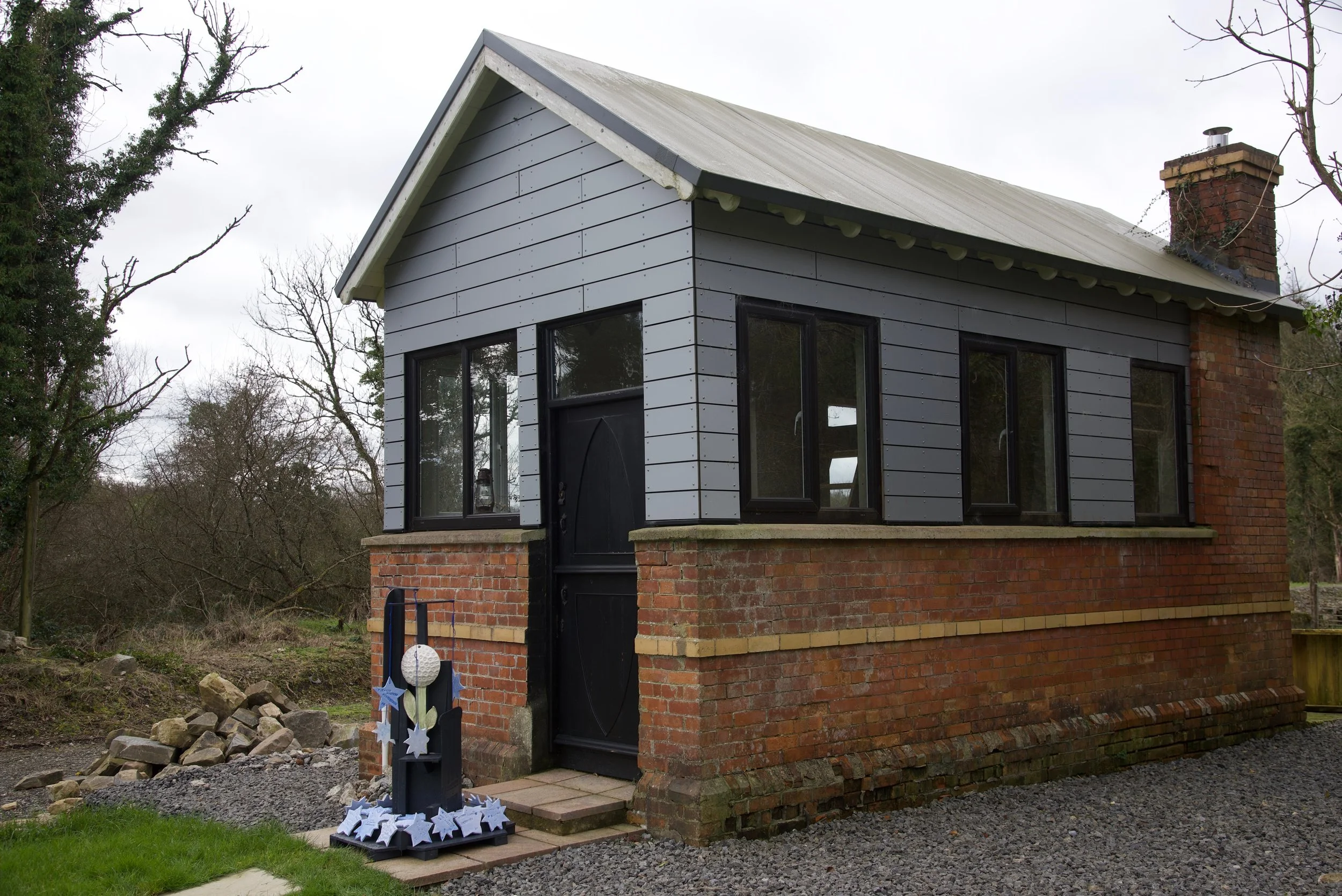
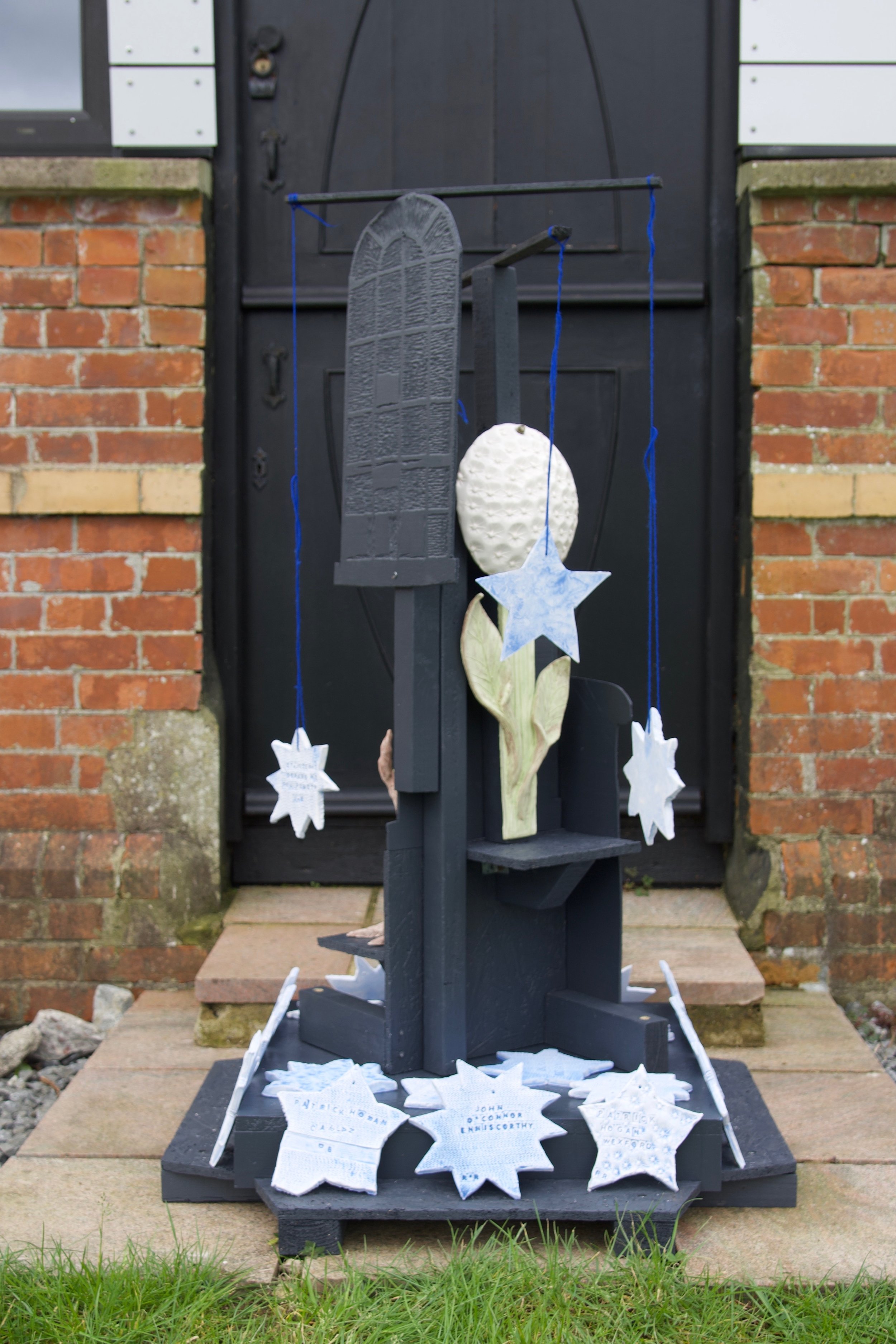
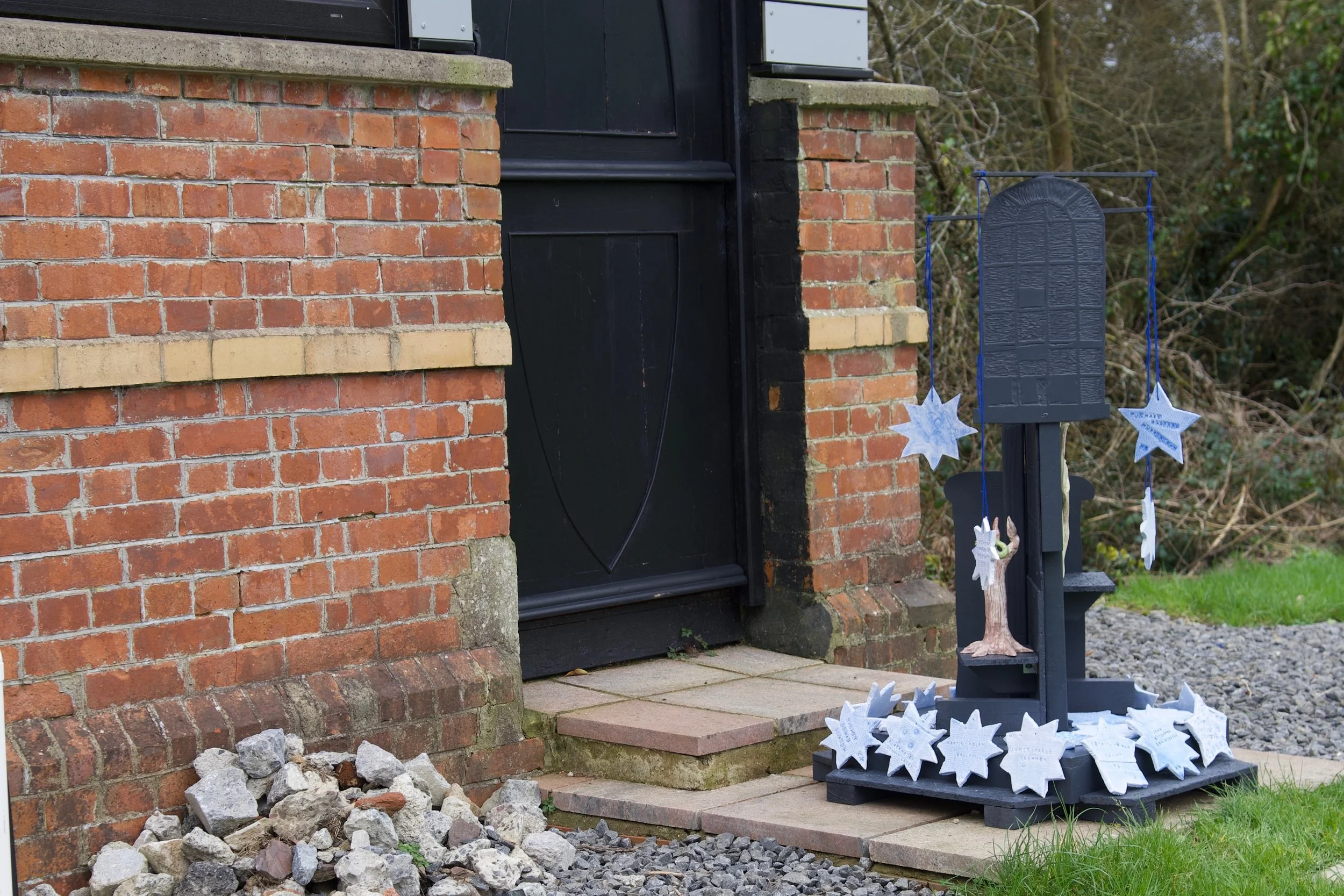
John Busher presents Fallow Bridge, a new commission and site-specific installation supported by Wexford County Council (Commemoration Award 2025). A series of sculptures was created in response to the destruction of infrastructure during the War of Independence and Civil War in a local context, which is explored from sites such as Taylorstown Viaduct, Wellington Bridge Railway Station, and Palace East Railway Station in collaboration with Bannow Historical Society.
Taylorstown Viaduct is a seven-arch viaduct built over a river valley, built between 1904/6 and opened in 1906. It was almost destroyed in 1922 but was reconstructed in 1923 following the Irish Civil War. This was part of the broader Fishguard and Rosslare Railway (FRR) line. Following the partition of Ireland into a Free State, guerrilla warfare saw roads, bridges and railways come under attack, such as Palace East Railway Station. Anti-Treaty IRA set about targeting infrastructure but waned following Catholic Church support for the Free State. Research in collaboration with Bannow Historical Society fed into outcomes in a local context, collecting research orally and from a variety of other sources, such as archival services within the county library and national archives.
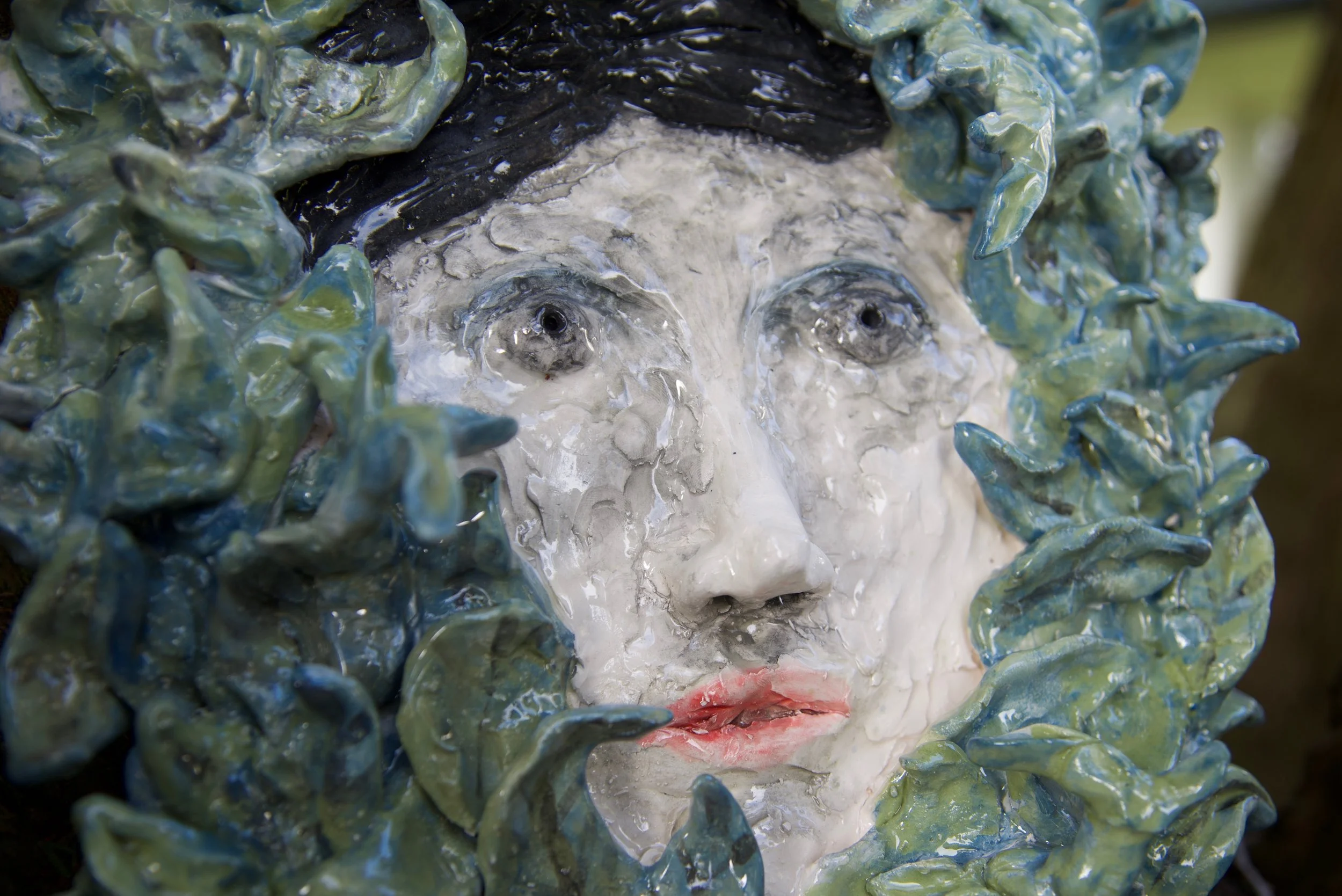
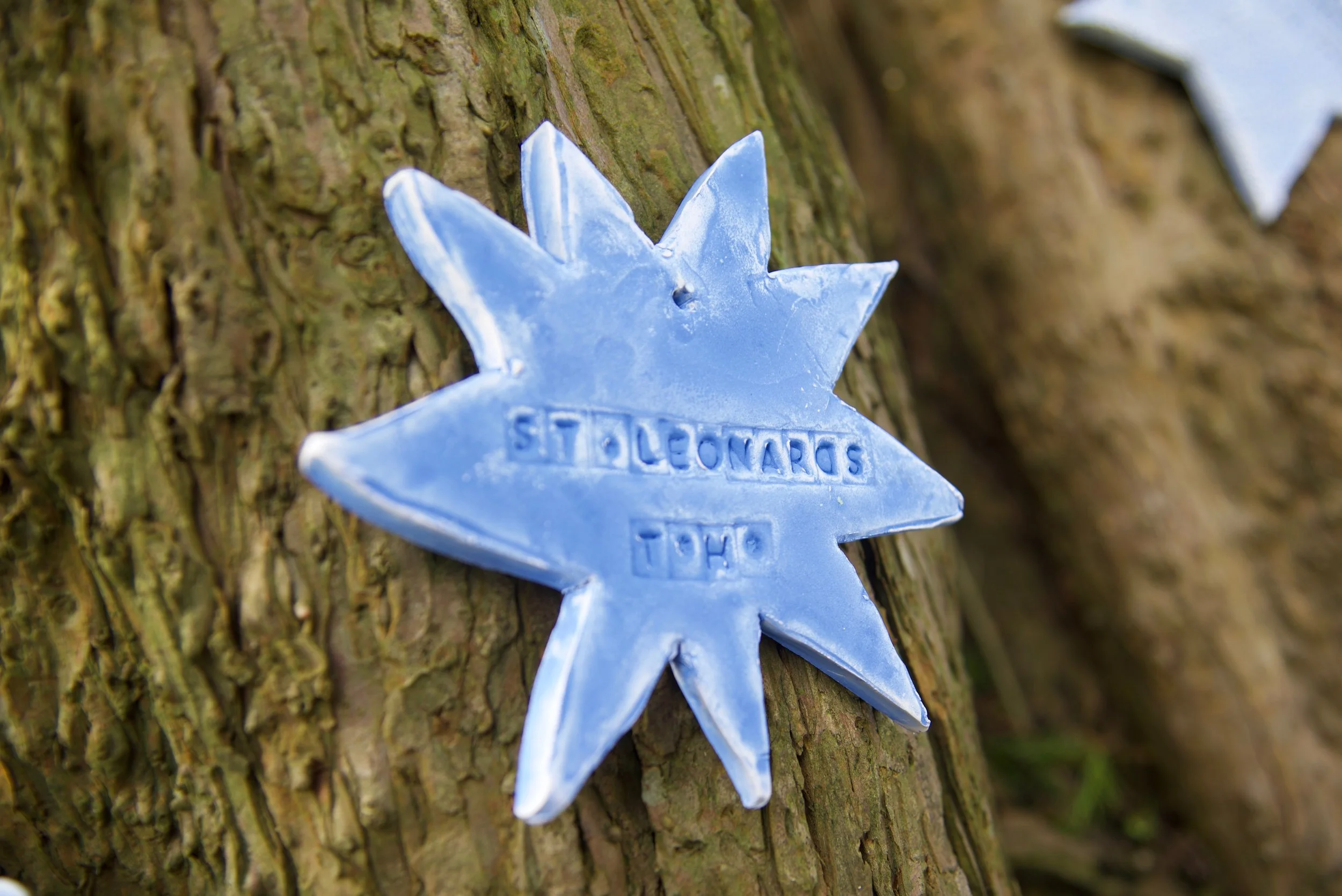
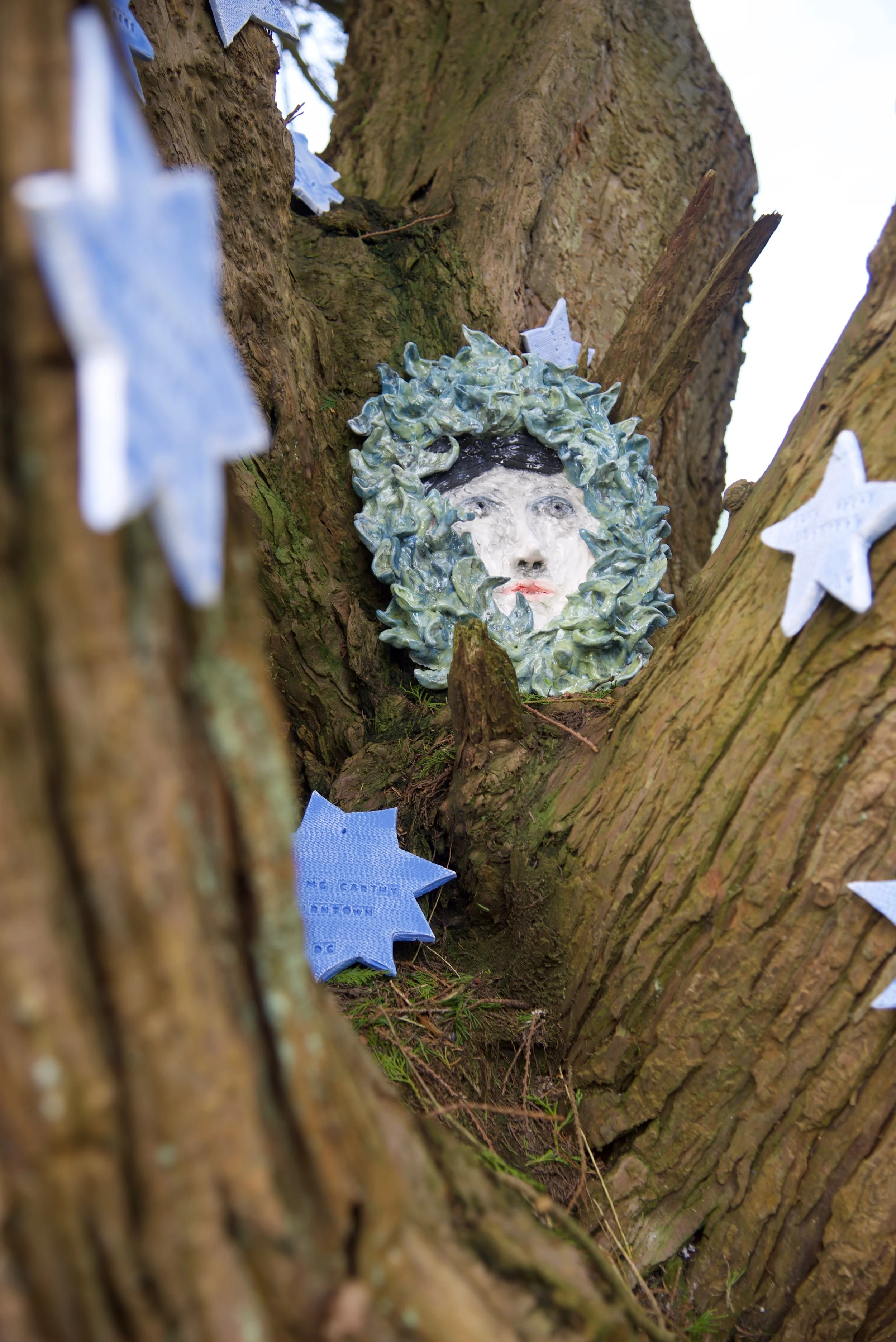
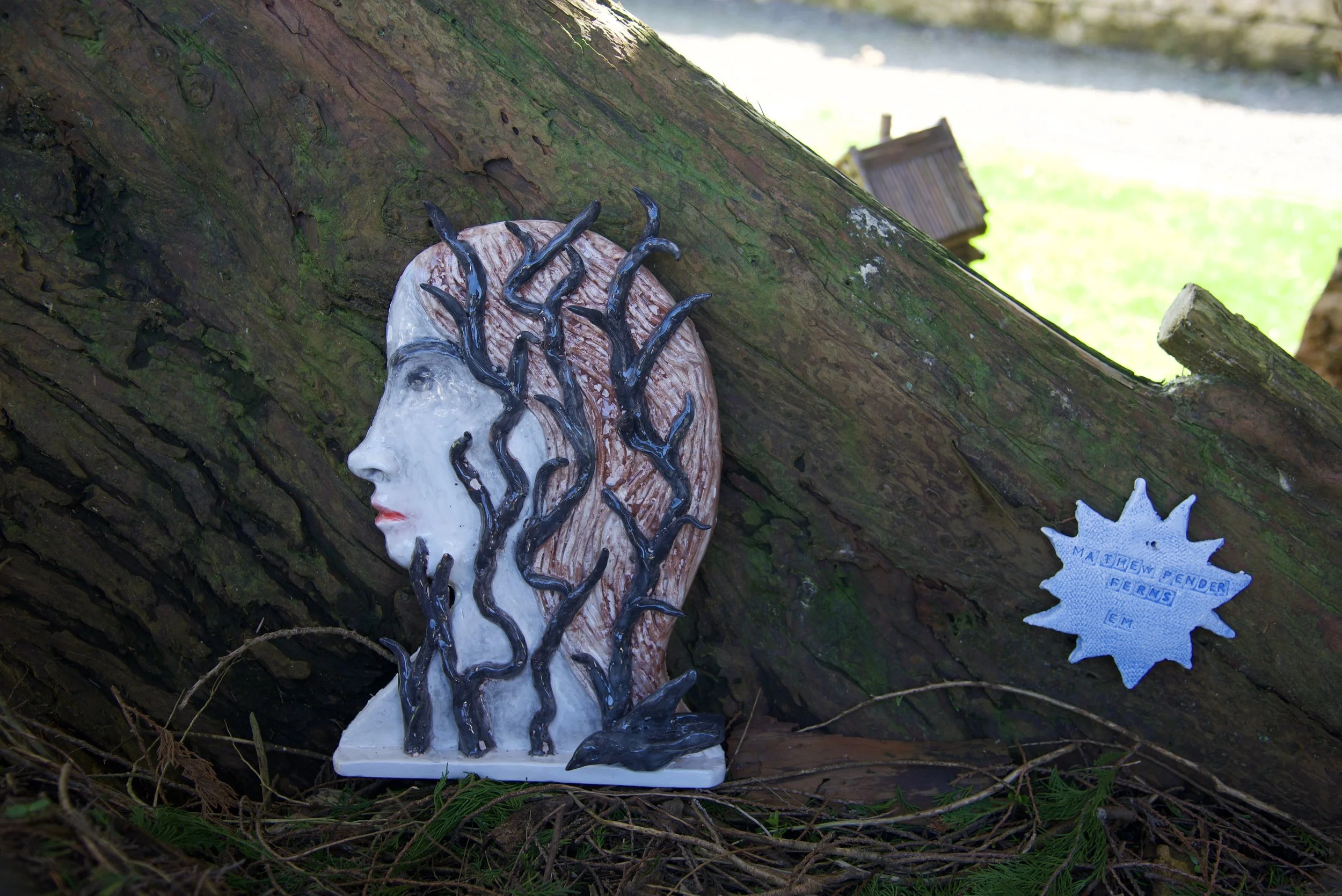
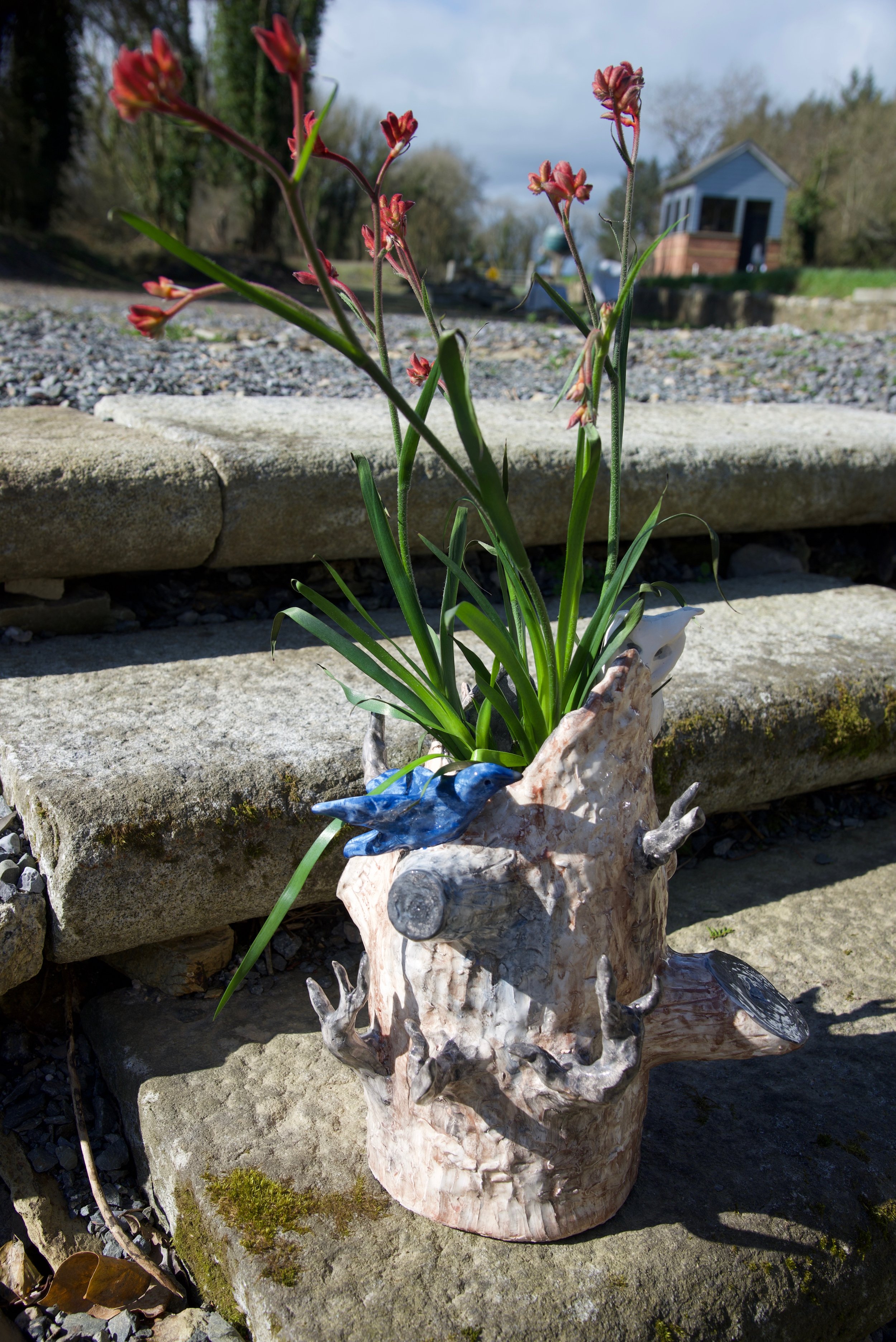
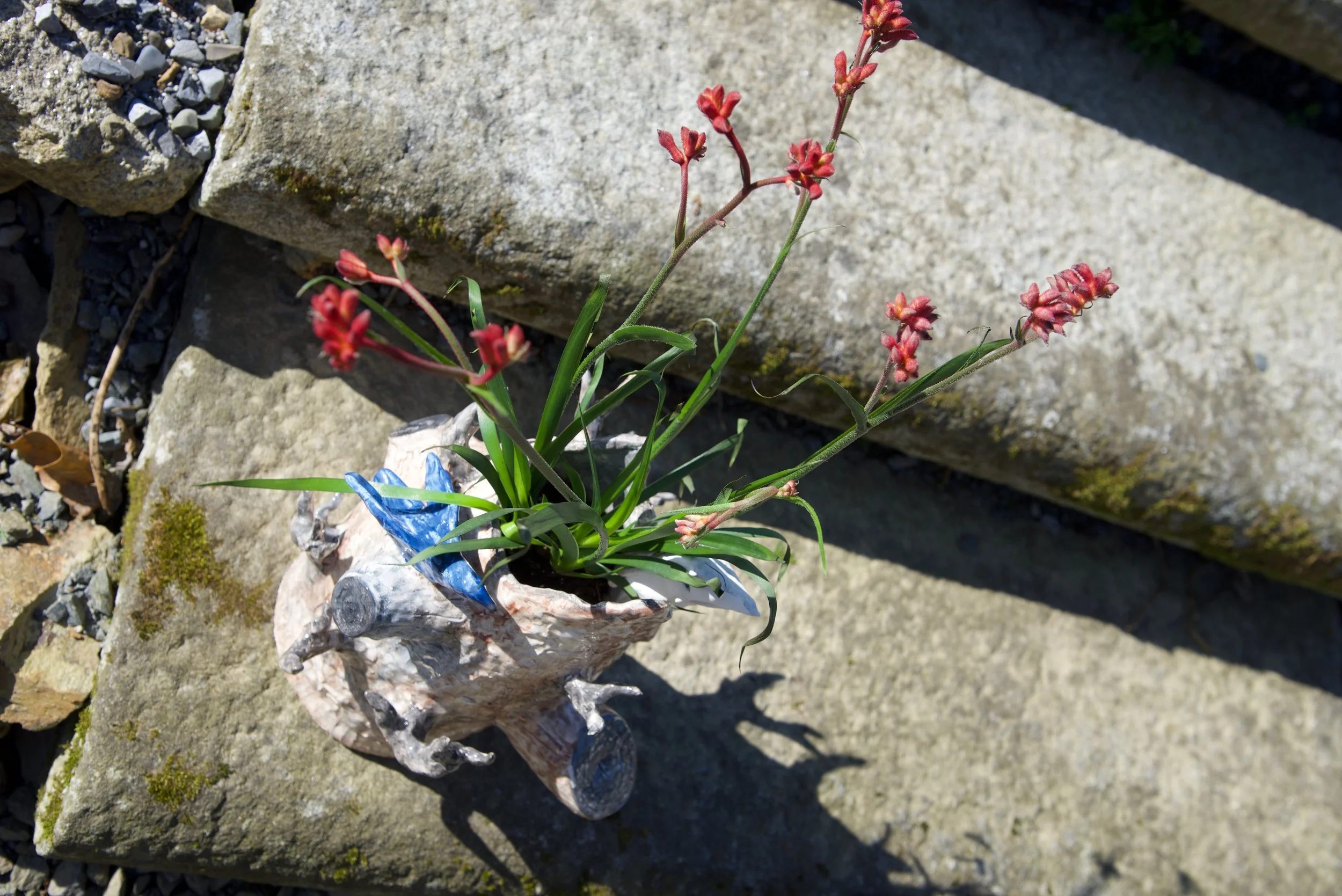
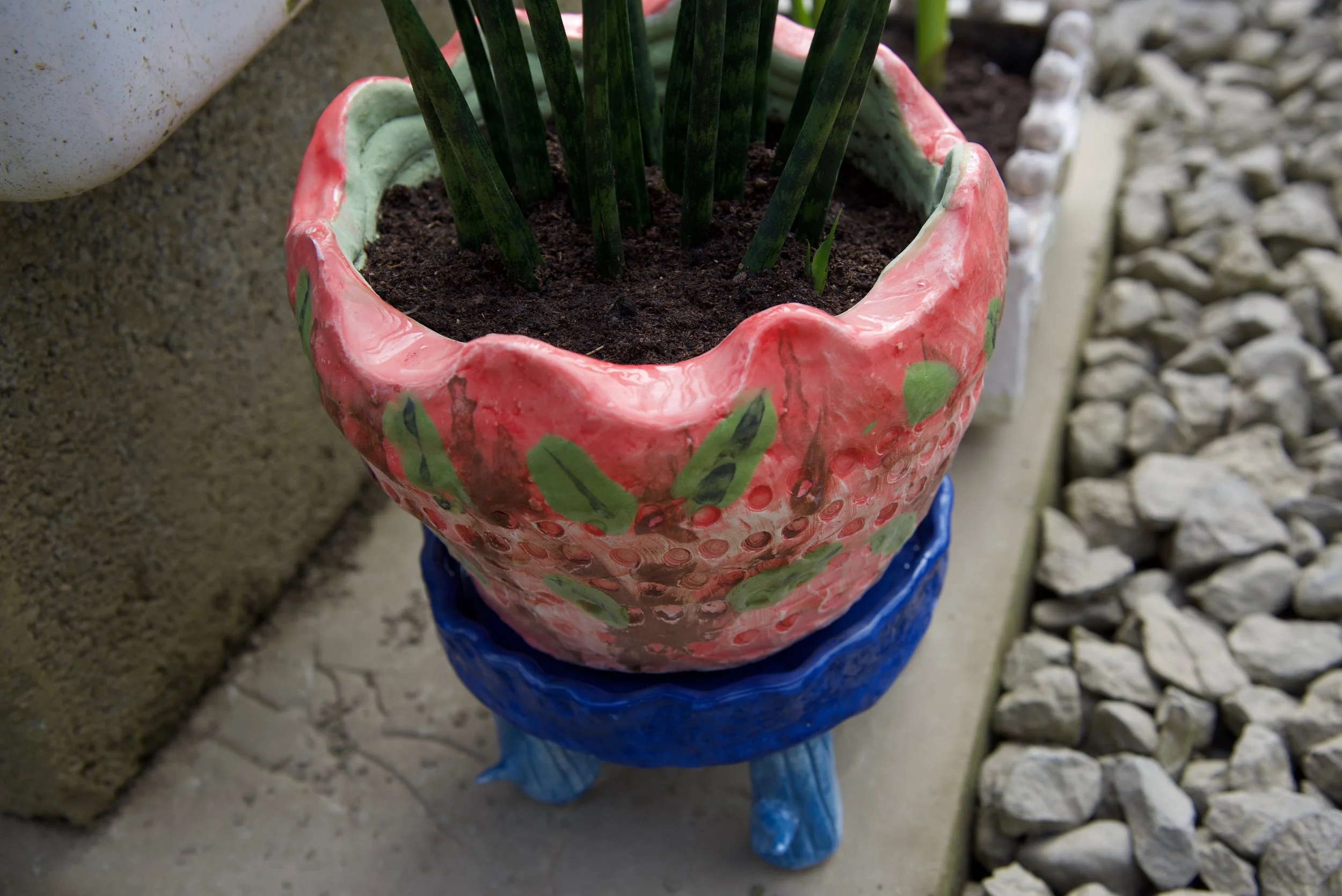
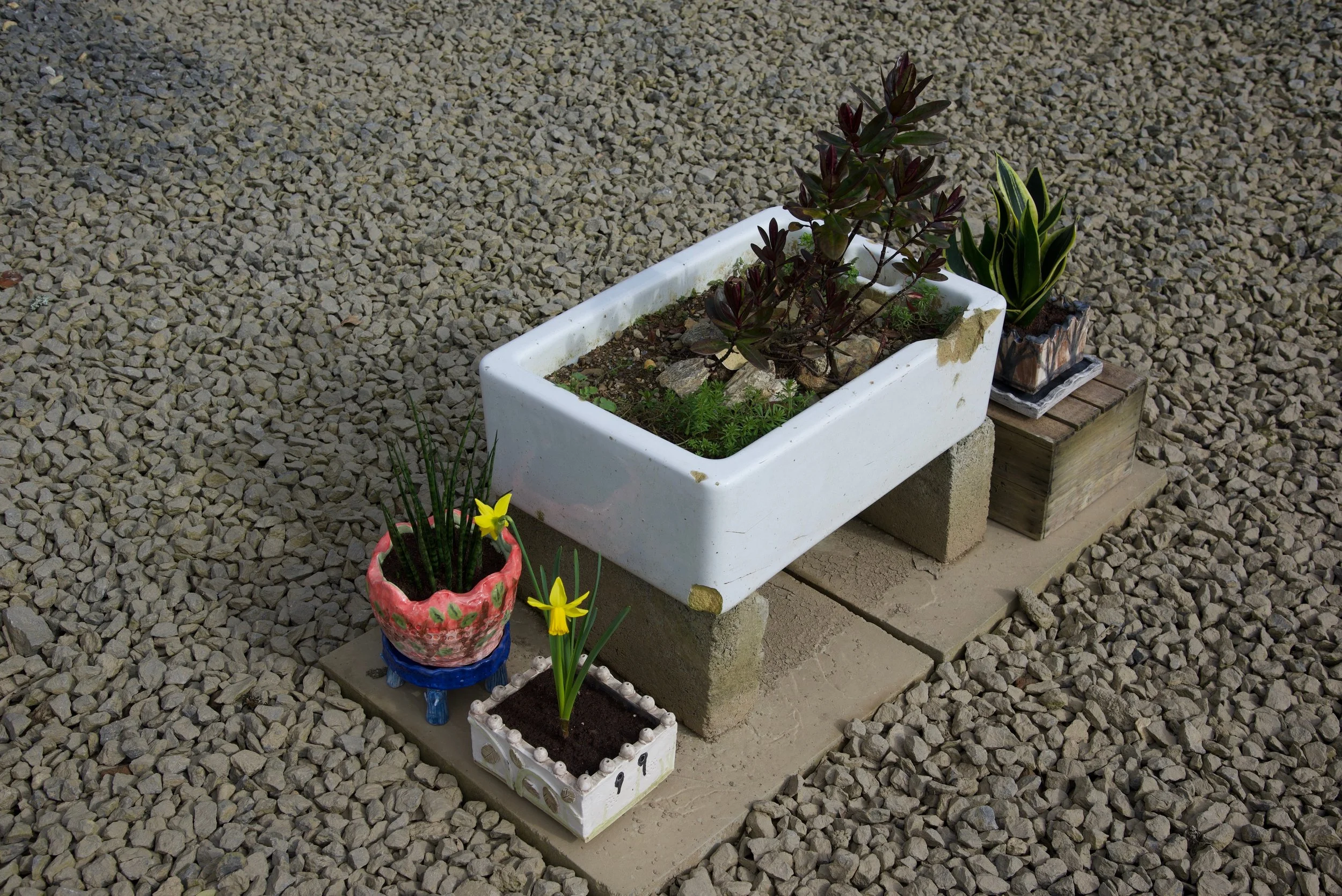
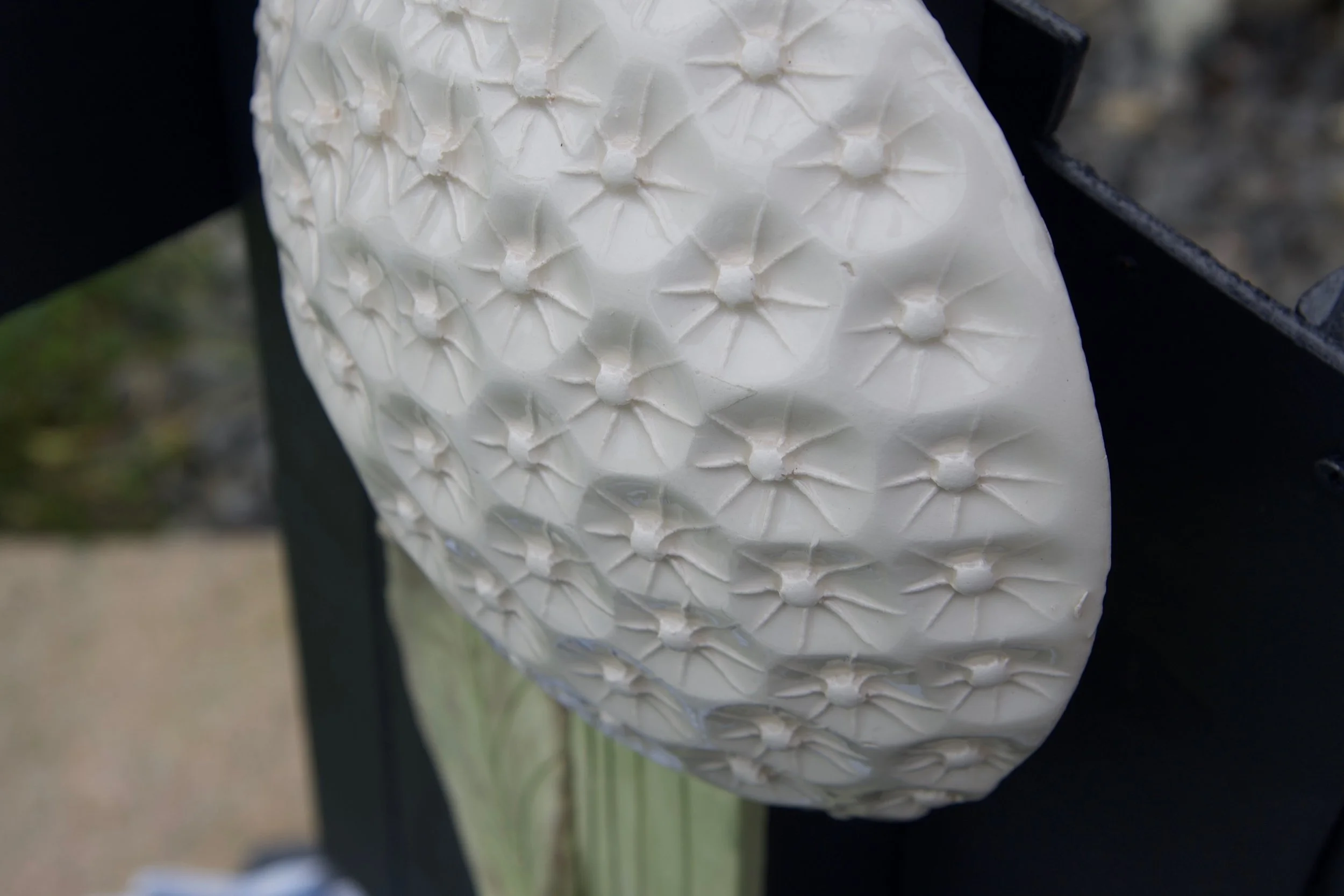
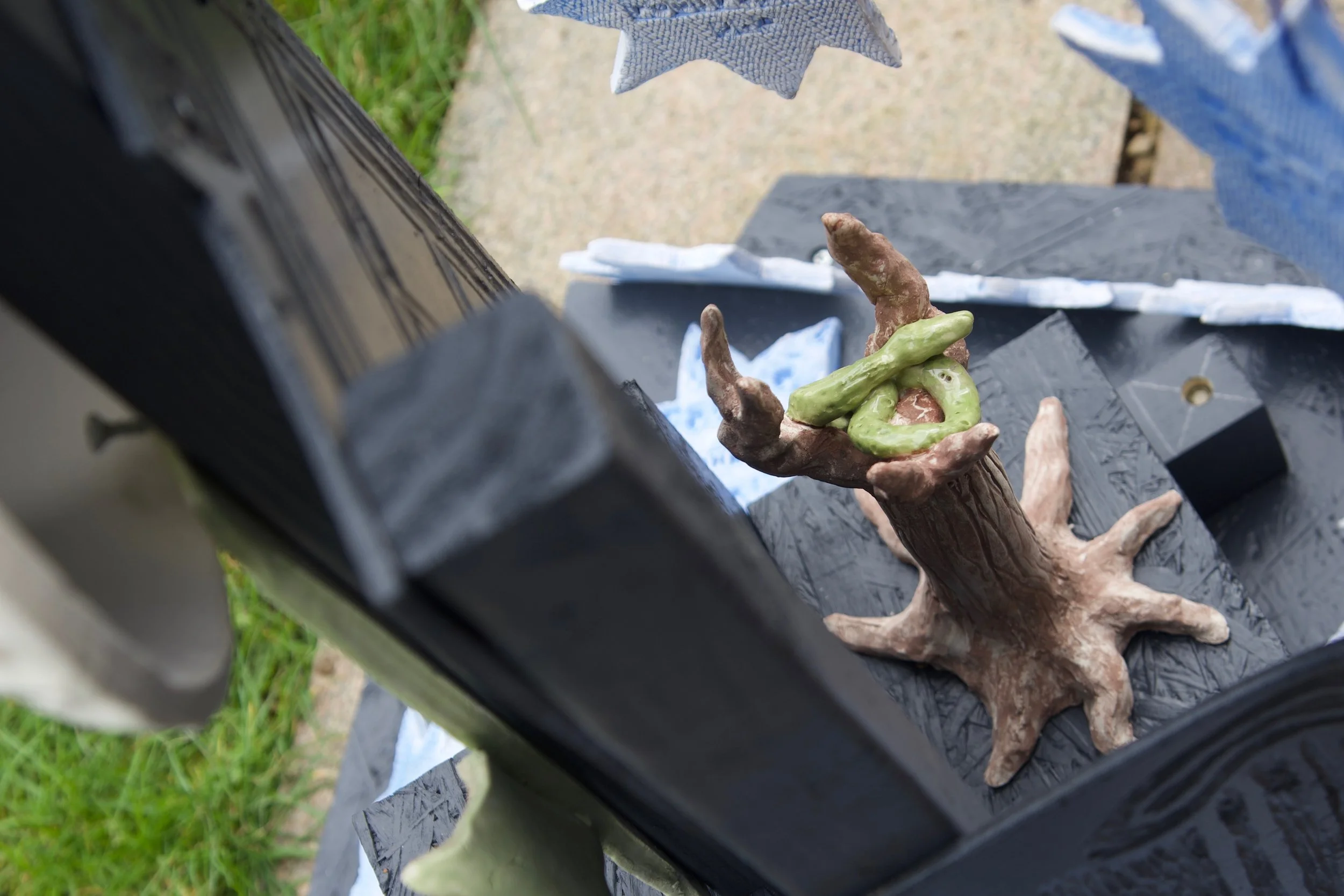
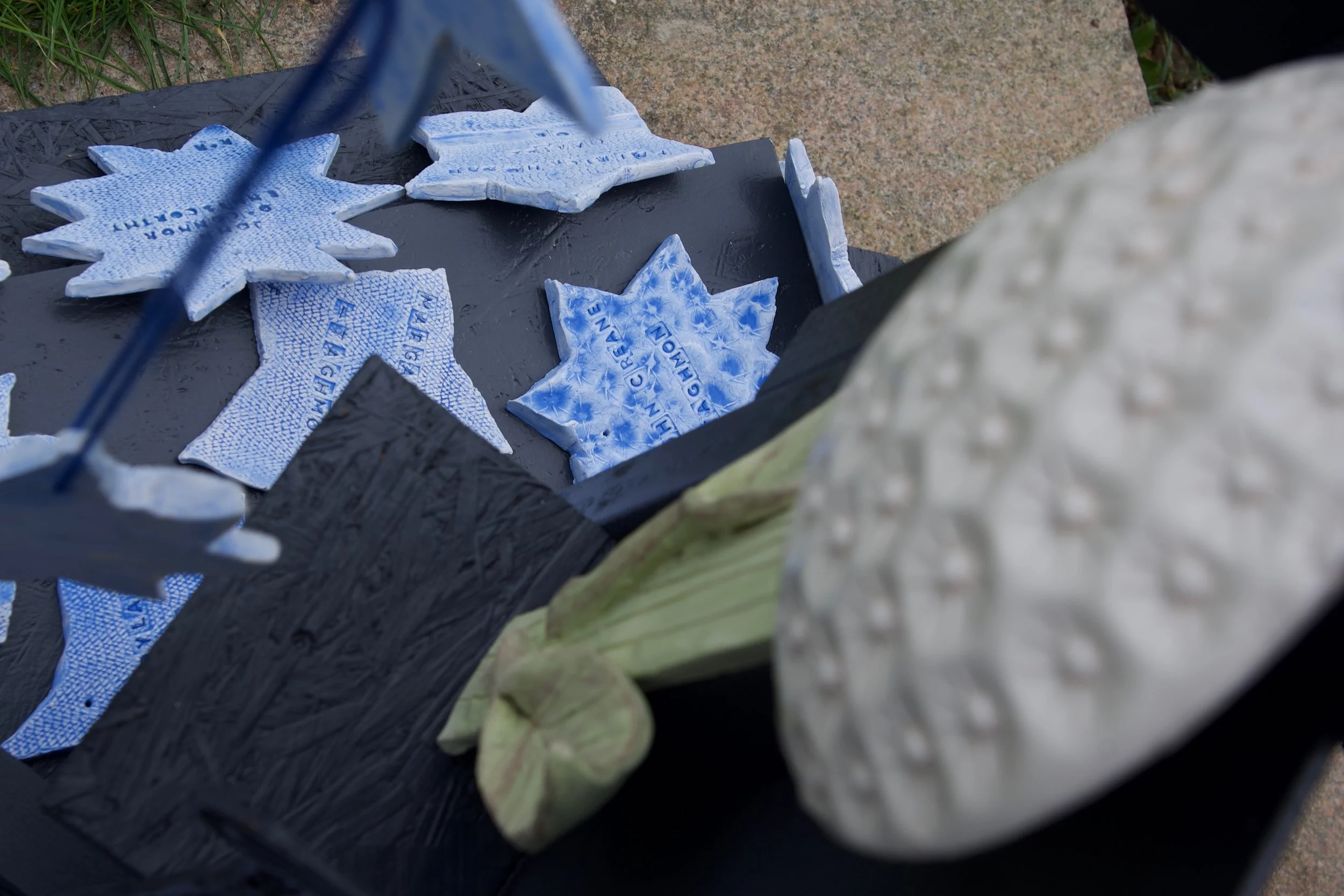
Monica Wallace vividly retells a story of a dream, a potent recurring image of a house burning to the ground, only later to learn that her childhood home, Colebrook House at Wellington Bridge, was home to a National Army camp during the height of The Civil War. Tragically burnt down by the IRA shortly after the camp was abandoned. Denis Kenny furnishes letters from his great uncle Tom, which detail correspondence between him and his wife Annie, written during his internment on Spike Island and a camp in Fermoy, Co. Cork, during the War of Independence. Framing ordinary encounters and routines starkly contrasts the silent, unspoken reality of daily turmoil. These key pieces of oral research provide a stimulus for a body of work in painting. Further research lends itself to sculpture; flying columns and a cruel winter are rendered in the pale face of a young man lurking beneath dead foliage. His eyes stare out despondently, his possible faith shaped across his expression. Cumann na mBan also wrestles beneath a fever dream of dense prickly branches; she, too, stares out into the distance, fixing her gaze. Binding these works together is a garden, a collaboration between Donard NS, Danescastle NS, St. Leonards NS and Busher. A puffball nestles between 75 fallen stars (1), each commemorating the civil war dead in Co. Wexford. The coming spring, rooting for their abundant growth and transformation.
With thanks to the National Library of Ireland, Wexford Library Services & Arts Department, Gráinne Doran (Archivist Wexford County Council), Dermot McCarthy (Bannow Historical Society), Teresa Cullen (Palace East Railway Station), Sean Windsor (Wilton Castle), Barry Lacey (Archaeologist), Kevin Fitzpatrick (St. Joseph’s NS Donard), Pat Wickham (Danescastle NS), Catriona McGrath (St. Leonards NS), & Danielle Dempsey (Meanscoil Gharman).
Notes:
(1) Dandelions represent fallen stars, also known as beàrnan-brìde.
(1) Dúchas.ie



When All Else Fails:
Rathfarnham Castle
Photo Credit: Frank Abruzzese
Press: Irish Arts Review (Spring Edition 2025)
14th March - 4th May 2025
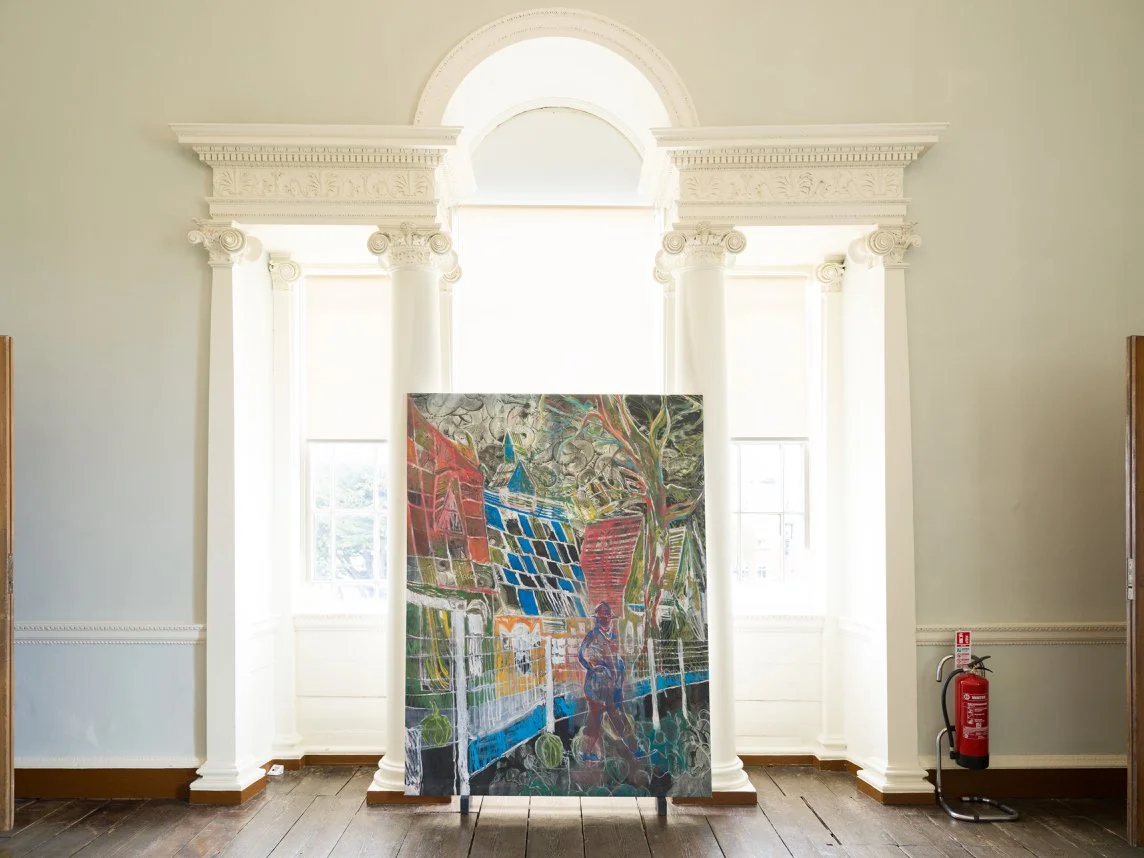
When All Else Fails presents a new series of printmaking, ceramics, and painting that brings to the forefront a long-held interest in the body and public spaces. Ceramic works build a universe where the potential of painting can be more fully explored. Utilising a high-keyed palette, disjointed narratives are drawn from a diverse range of sources and given sculptural form. Recurring motifs such as pleasure boats and masked figures coexist alongside distorted beings that seem at odds with their surroundings. Recent ceramic pieces feature a more ambitious scale, mirroring the dimensions of the monotypes and paintings. This interplay of processes fosters a visual amalgamation that encourages themes to crystallize. What emerges is the latent quality of memory, highlighting its ability to adapt and transform into fictionalised histories that inhabit a liminal space.
In this context, marketplaces, dilapidated houses, and crumbling, nondescript buildings are populated by bewildered figures, each appearing to lose themselves in scenarios that often tread the line between the fantastical and the absurd. "Outside the Courthouse”, illustrates a chink in the supply chain, marked by empty baskets left on the footpath, while a figure searches and waits, squinting into the distance. Skewed trees loom over a dense backdrop, almost scaling the wall. Busher’s work carries a tone suggestive of misadventure, hinting at something suspicious lurking around the corner. The stumbling, unexpected nature of these figurative encounters remains inconclusive, with meanings frequently lost or reinterpreted into a complex narrative. This optical cul-de-sac is inherent in the process of art making; When All Else Fails, we frequently return to what is most obvious.






A Triptych of Existentialism:
Courthouse Gallery & Studios
Photo Credit: John Busher
John Busher, Joan Sugrue & Lee Welch
Curated by Simon Fennessy Corcoran
1st November – 30th November 2024
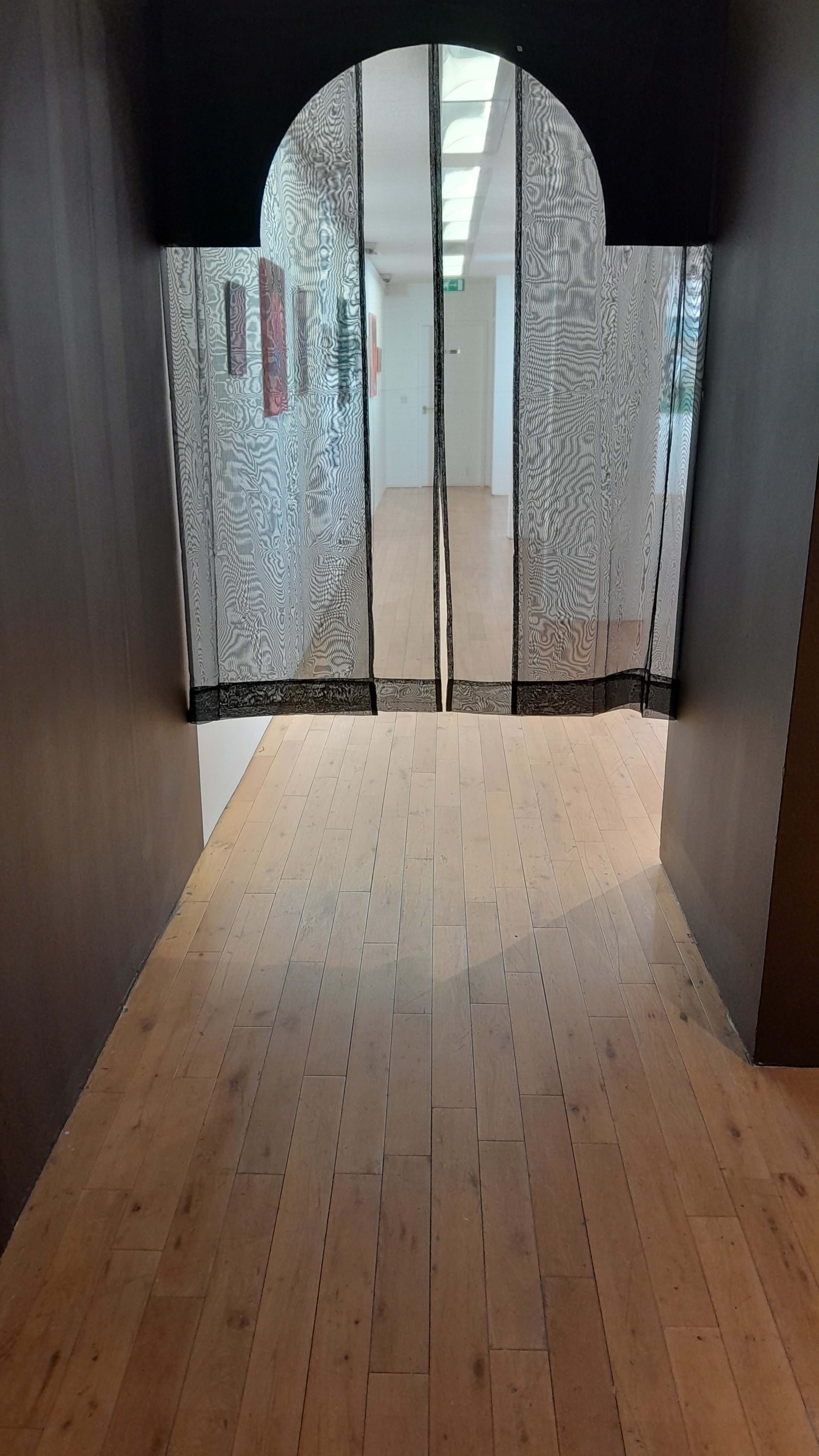
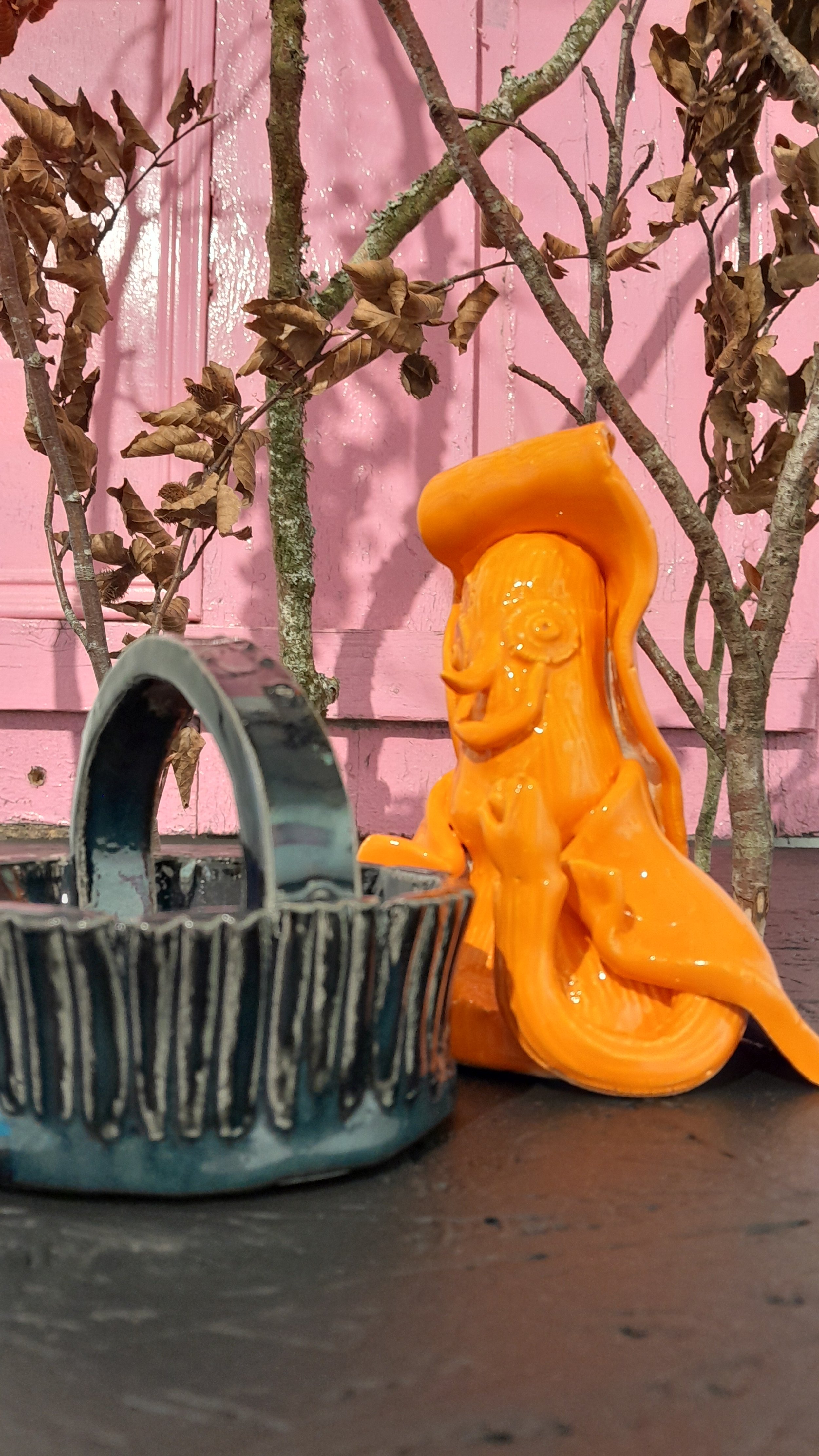
Works centre on a wall installation ‘Irish Street Stores’, parts of a salvaged shop front reimagined in a gallery context. A weathered downpipe, layers of paint chipping away from the surface, a hemmed-together door is lifted from its frame. Deconstructed and embellished, it takes on a new persona. A stand-in rose window acts as a keyhole, offering a glimpse into an off-kilter but familiar world. Masked ceramic works mingle at a reconstructed entrance. Embedded in this are paintings that hint at a world gone awry, figures and faces stare from dwellings that are difficult to pin down. Day and night meld into one. The bar/grocer stands as a local derelict relic in the broader theme of consumerism and globalisation. Redundant wrought iron bridges and overlooked passageways trade with scaled-up beings that are at odds with their surroundings.






Tidal Ballads Sung Wrong:
City Assembly House
Photo Credit: Lee Welch
Kindly Supported by The Arts Council, Artlinks, Wexford County Council,
& David Skinner Wallpapers
7th April – 16th April 2022
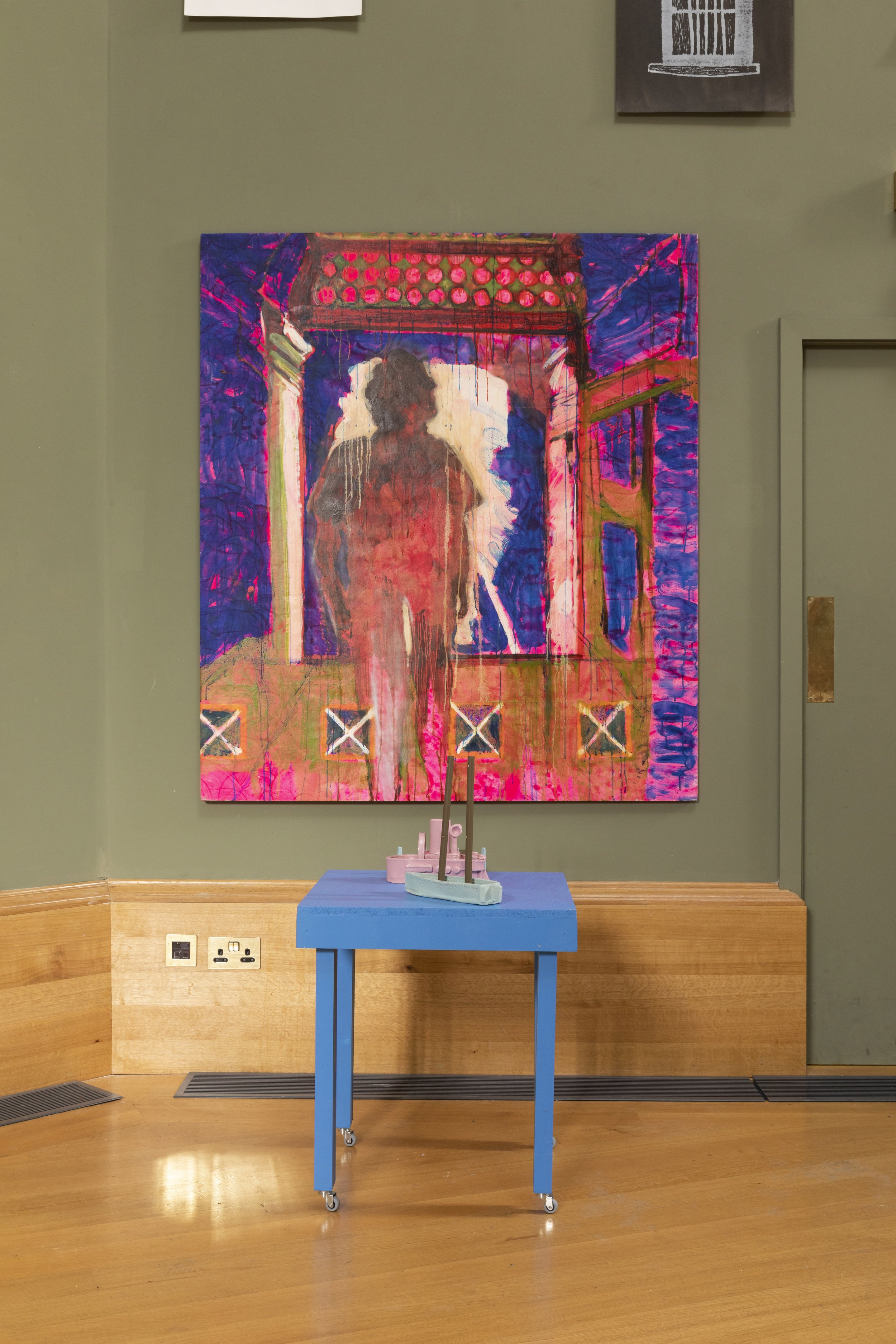
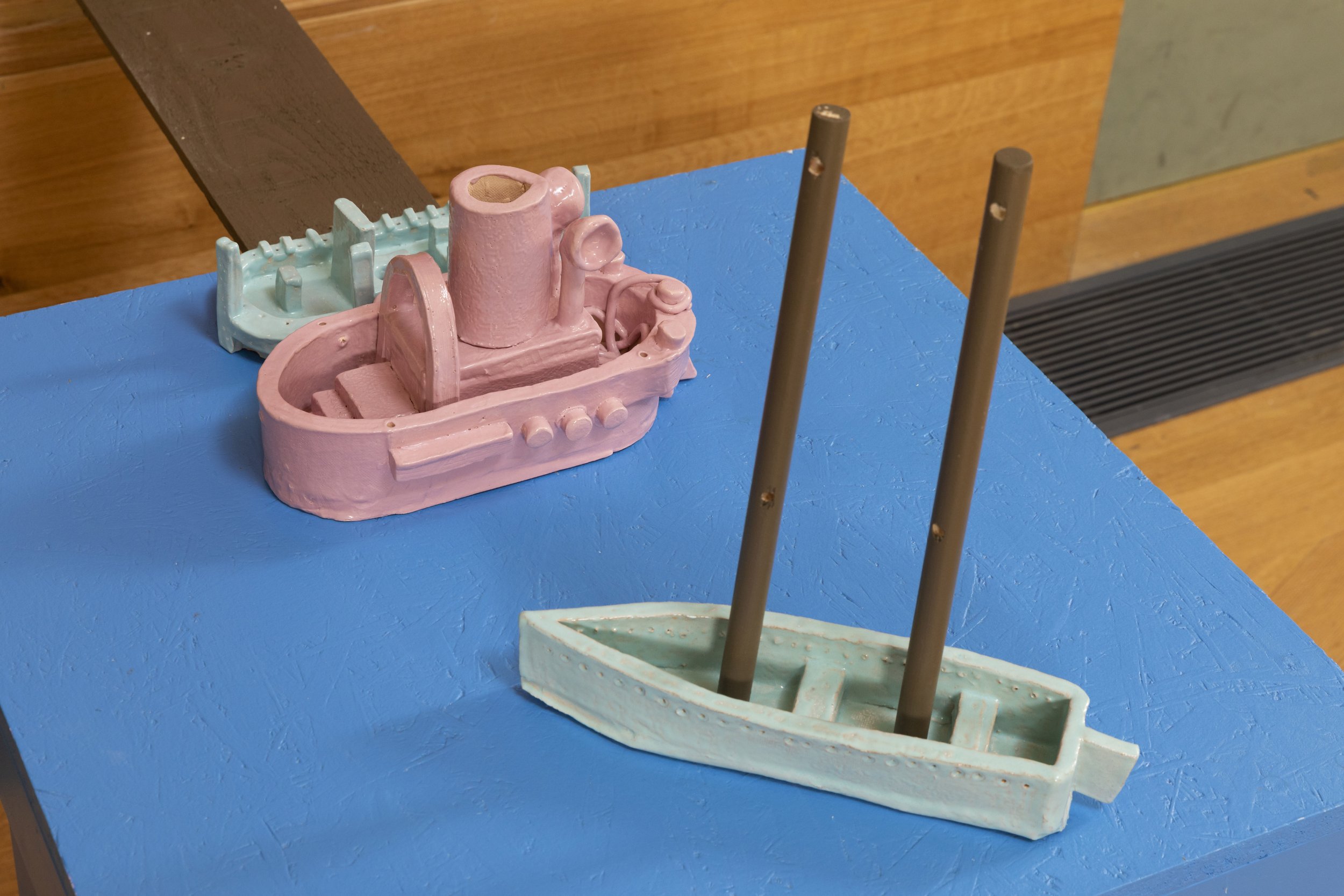
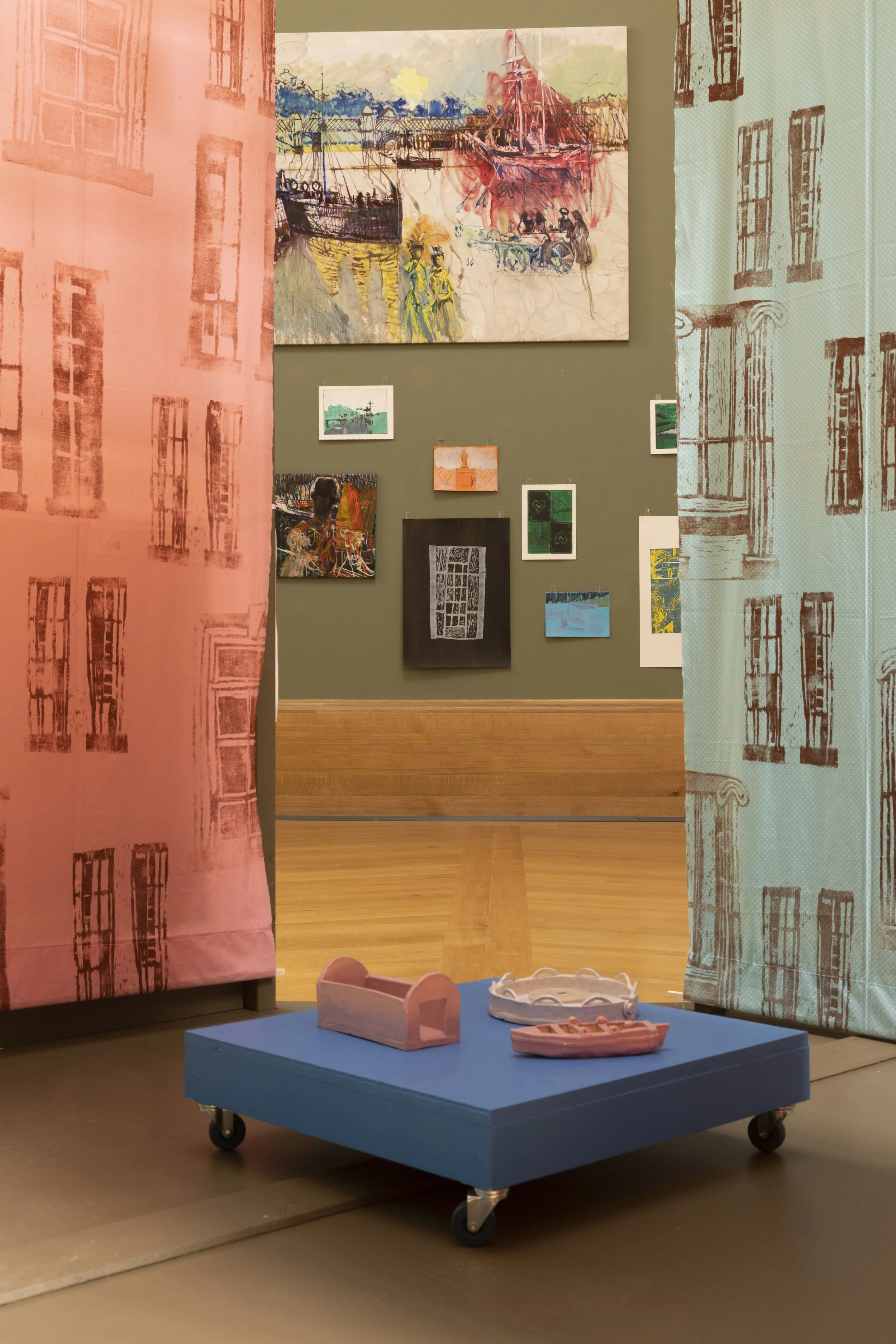
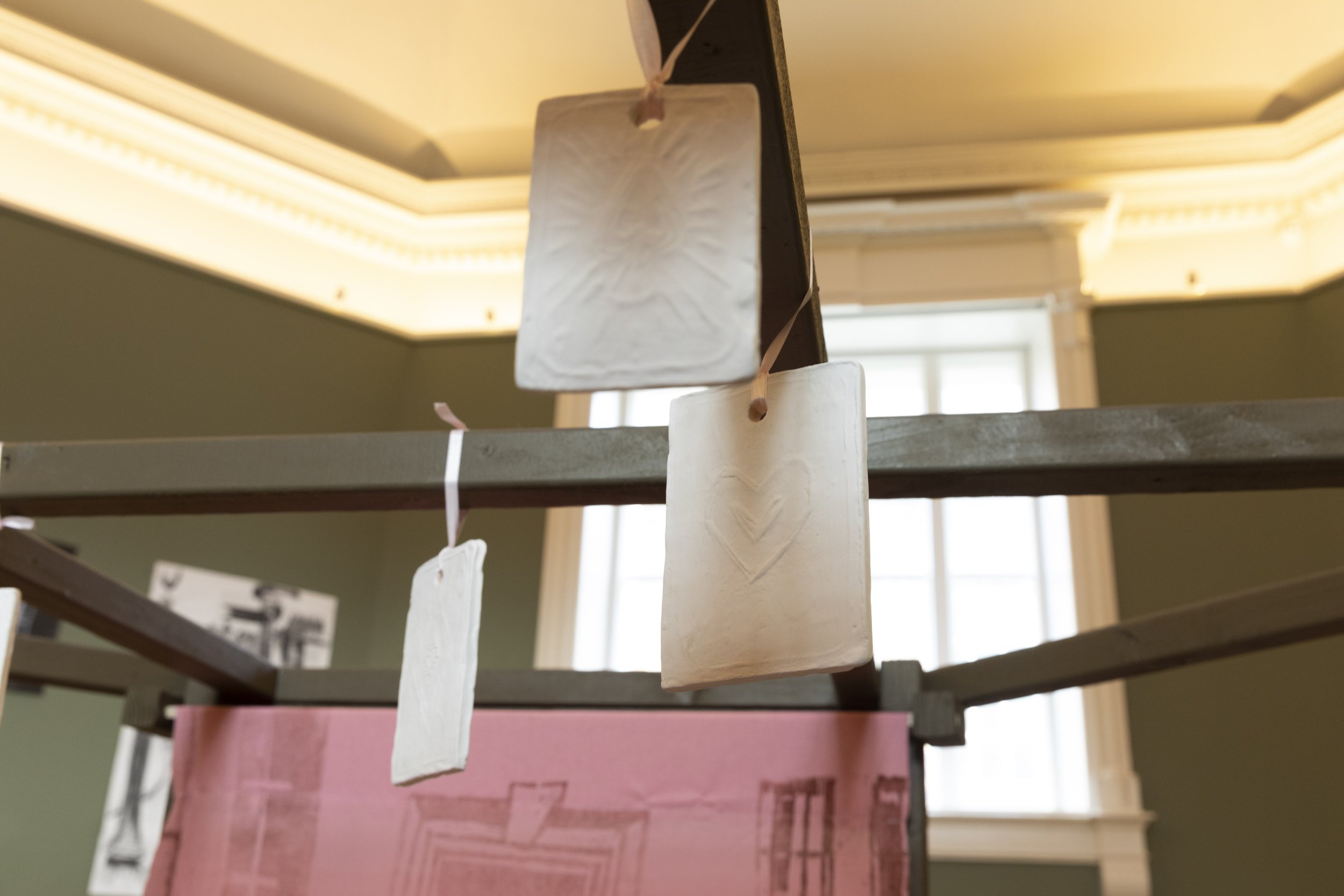
A figure walking with intent, huddled groups of women gathered together under a corner lantern, the potency of archival photography feeds into concerns that are rooted in a local context. Primarily growing out from a series of monotypes, Tidal Ballads Sung Wrong sees Busher engage with a variety of new processes and materials that further investigate bodily concerns. Anchored in utopian notions of a ‘pleasure’ island, part real and imagined he repurposes a man-made island in a gallery context. A built structure is reclaimed by the natural world, sprouting mushrooms signalling its decline, threatening to erase it from our living memory. The redundancy of river life is reframed through a window of brightly coloured ceramic works, dredgers, floating docks, and steamboats are recontextualised as defunct objects that drift by ruin after ruin. Crudely rendered woodcuts hang diametrically on opposite walls, they peer over a silkscreen printed wallpaper of motifs that are upended on tree trunks. Narrative fictions of interior vs exterior space play out, once inhabited dwellings succumbing to the elements.
Charcoal and mixed media drawings act as a point of departure, yet no clear timeline emerges, instead, it seems to meld past, present or future. Hinting at the bittersweet leftovers of conflict, paintings are layered with a web of narratives that often beset each other. The dichotomy of figures rigidly performing drills in unison is opposed in a rendering of a fairground ride. This sparing of content is re-evaluated in the most recent paintings, reoccurring motifs such as cabins or makeshift houses are punctuated with contemporary references. Mini fracas in an ALDI car park, 2021, sees a dark Munchian, looming figure tower over lightly rendered white figures in oil, oil stick and acrylic marker on canvas. Forests are often close by, dense branches filled with brightly coloured hues of pinks, blues or purples. The forester’s lodge makes an appearance, and the necessary infrastructure that aids shipping makes itself known. Once thriving warehouses, docks and bridges appear lost, and sit adjacent to a roulette of image-making.




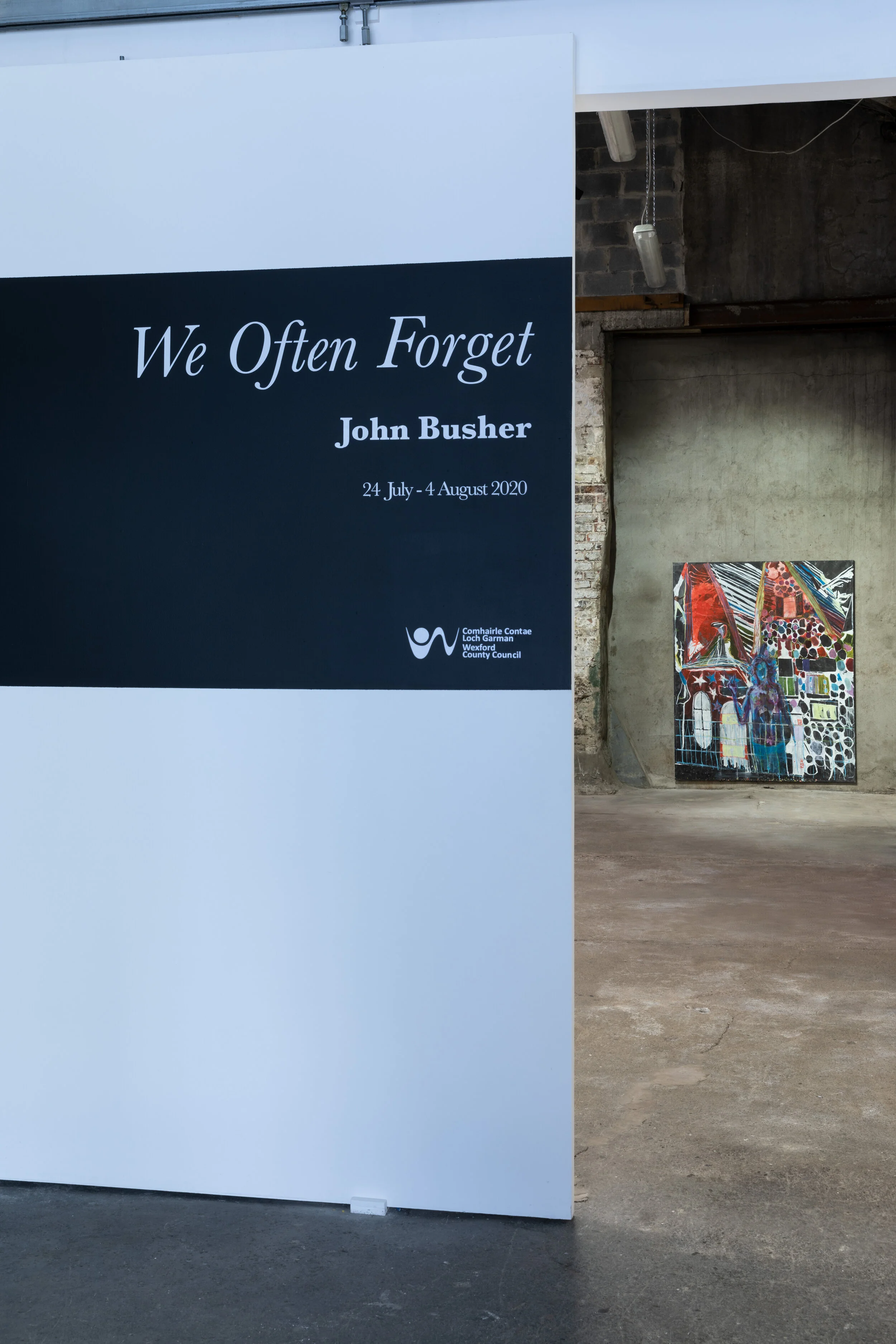
We Often Forget: The Complex
Photo Credit: Lee Welch
Press: The Visual Artists’ News Sheet Sep / Oct 2020
Kindly Supported by Wexford County Council & Artlinks
24th July - 4th August 2020
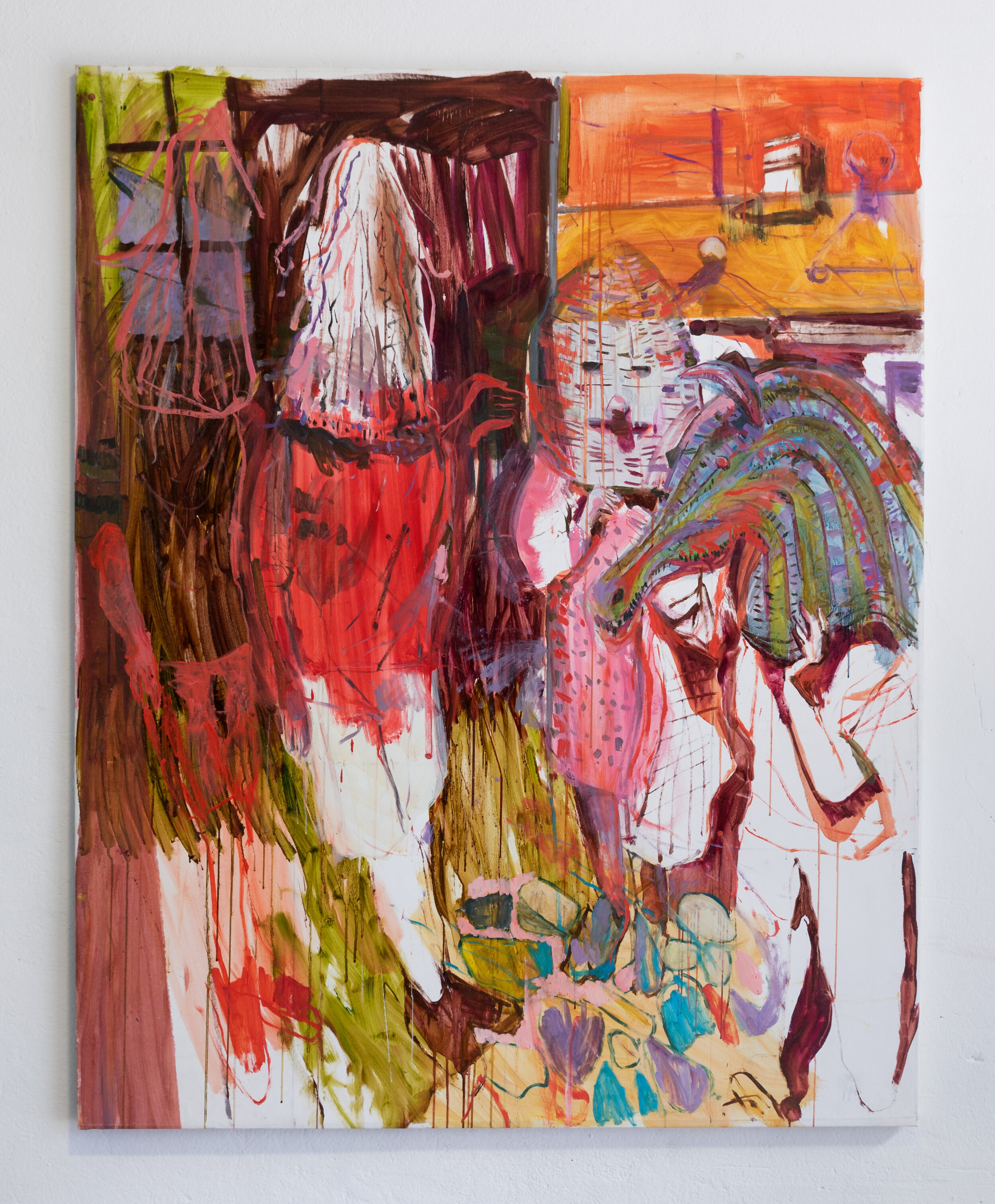
Working over a period of 18 months, artist John Busher has often traded back and forth between painting and printmaking. In Shopping (Without Haste), 2019, a barely-there figure appears, shrouded or masked. Working in high-keyed grounds, Busher paints partly recognizable environments, housing estates, shop fronts, lanes, and alleyways. There is a sense of a world in flux, passing through, layered in a palimpsest of marks and gestures revealing additional narratives. The compositions are often charged with unreal distortions, dense pockets of activity; a growing sense of unease abounds. As with previous works, concerns regarding the body are evident. Anchored in particular settings, often left exposed to the elements, they appear to act as a receptor to the world they inhabit. Showing monotypes for the first time, Busher has foregrounded printmaking to echo concerns that are inherent in both mediums.
Relating these paintings and prints to contemporary life is often left ambiguous and open-ended. Accumulation of information is apparent in the works, beginning as acidic grounds, a sparing process of painterly invention makes its way to the surface, often appearing as barriers to our modes of perception. Looking through, whether it be a fence, narrow opening or window frame, is an opportunity to project a mishmash of visual information. Like an open drawer, Busher digs and searches beneath a layer of memory, waiting for something to bite. Monotypes are conceived through the same process, recurring imagery is repeated in small nuances of glowing colour, transparent form or figurative investigation. Filtering through, shaped by intuition, each successive layer acts as a test site, offering a new point of departure. There is a prevailing sense of pace, one that is often mirrored in how the eye and mind sift through an abundance of information in the contemporary age.


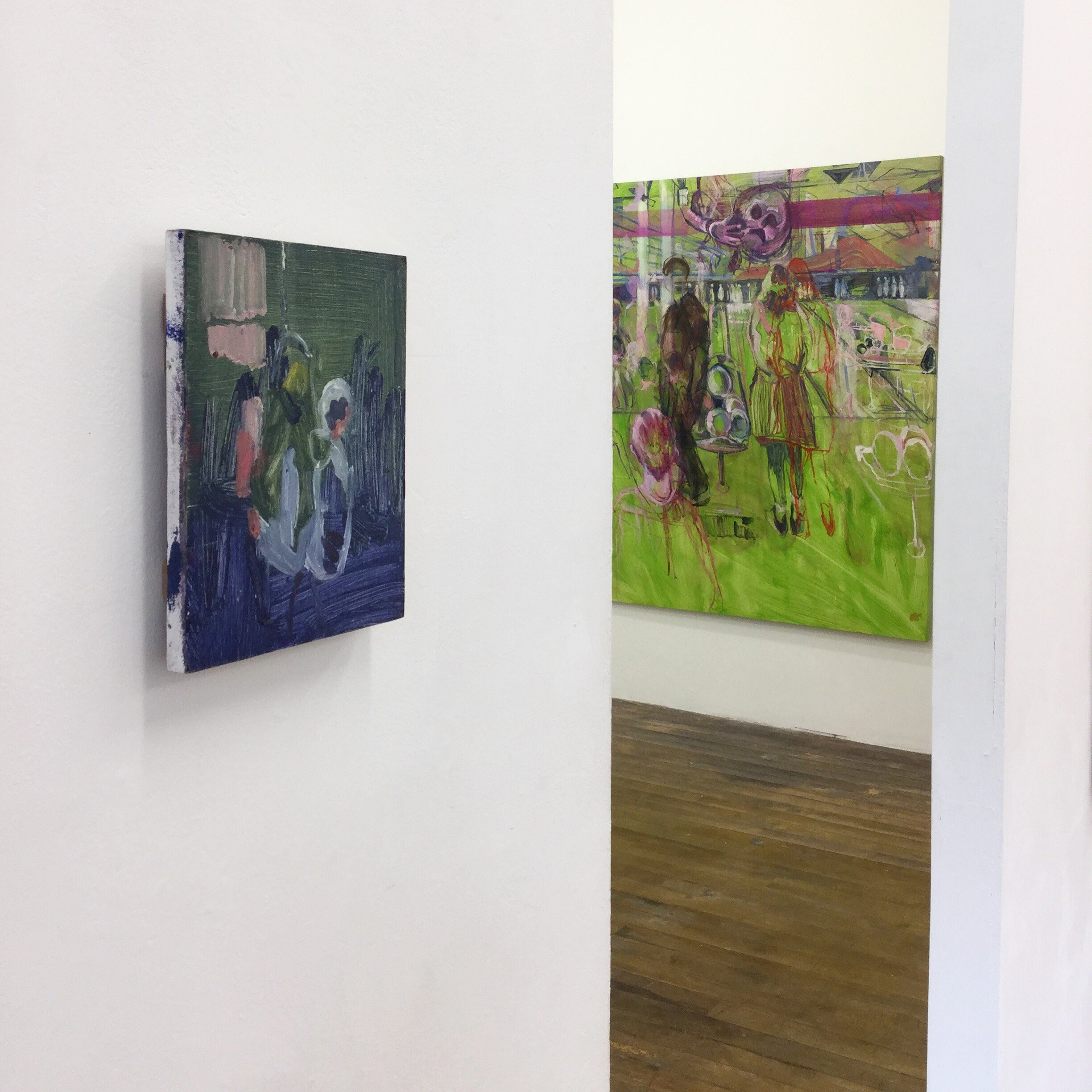
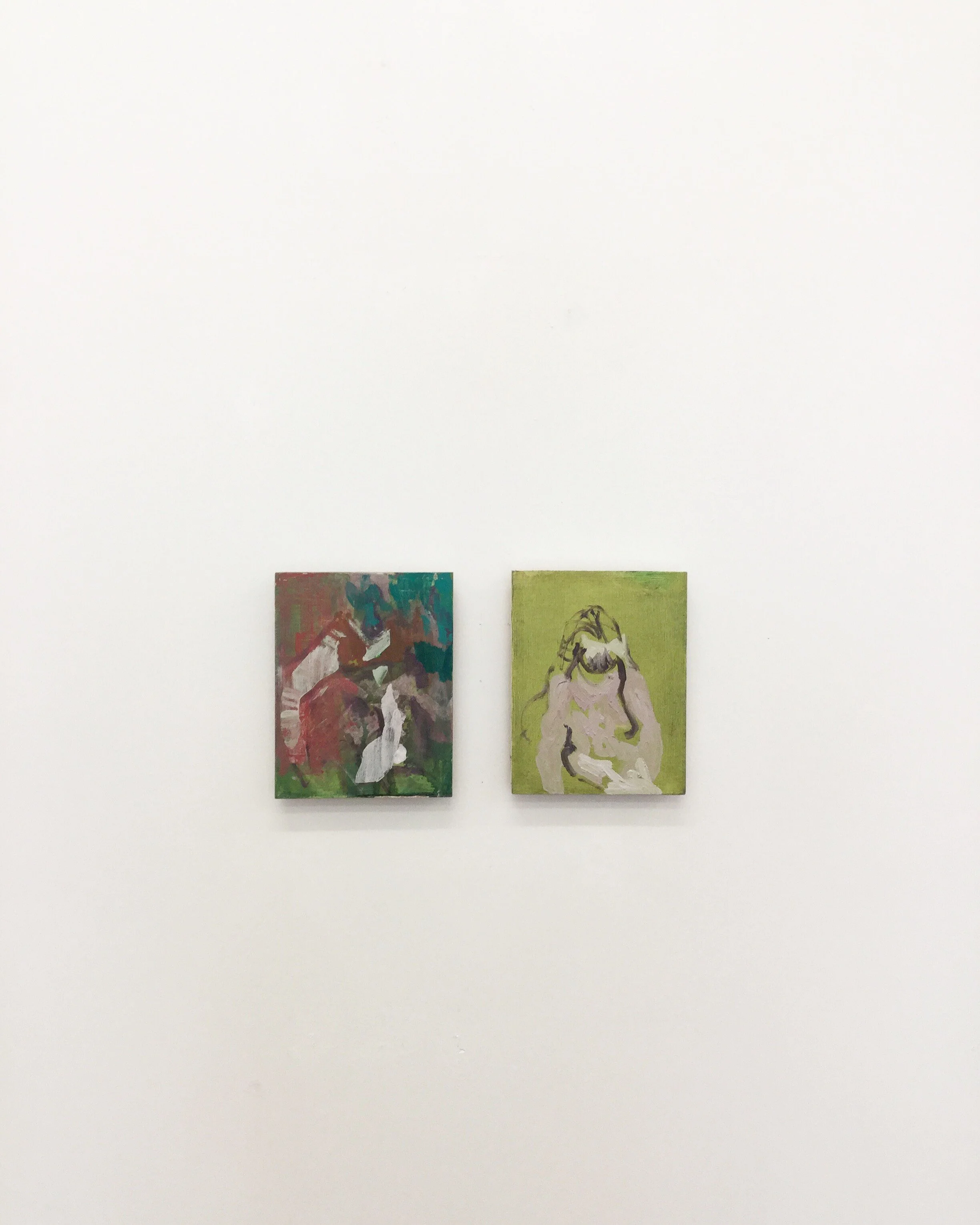
Jostle: Pallas Projects
Photo Credit: John Busher
Press: THE GLOSS Magazine | Art Maze Mag
17th August - 26th August 2017
The work presents an ongoing practice that explores a bodily response to social spaces. Investigated via drawing and painting; it considers how paint can articulate the nuance of these experiences. The works were initially conceived on a small scale, with the intention of finding a particular language that examines the notion of a bodily deficit. Reevaluated on a large scale, these condensed renderings are an attempt to discover a more direct form. In certain cases the paint surface takes on the function of a notebook, the jotted down action is inherent to the work.


Floorplan: NAG
Photo Credit: John Busher
24th October - 7th November 2015
Works for this show examined how the body interprets space, and how it acts as a receptor to a particular kind of external stimuli. This took the form of examining specific encounters to environments that related to everyday life. The intention is to extend this research using a methodical approach, with the purpose of drawing on a bodily experience of stimuli in relation to the nuances of perceptual experience. Recent work references photographic sources, it is expected that these sources will be expanded to explore a larger pool of settings.